
Body Lift Gap Guard under Body Lifts & Bushings is a set of Daystar frame and body gap guards, the flexible trim pieces that close the visible gap between the frame and body after a body lift. They are sold by position, front, rear or both, with versions for trucks with a Sportside bed or without a factory hitch. The guard hides the frame, blocks the view of lift blocks and keeps the finished look of a lifted truck. Match the guard to your truck and position below.
Body Lift Gap Guard
Showing 1–12 of 20 resultsSorted by popularity

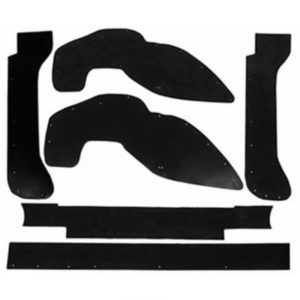

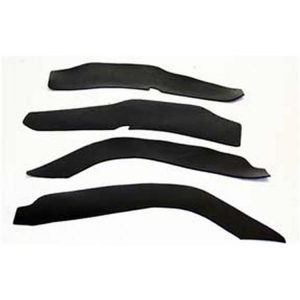
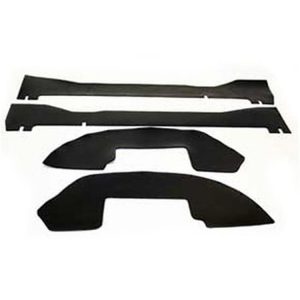
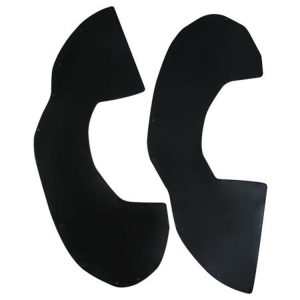
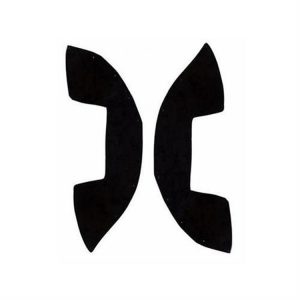
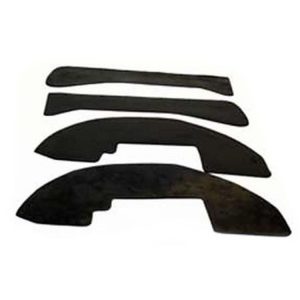
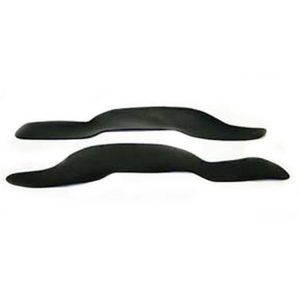
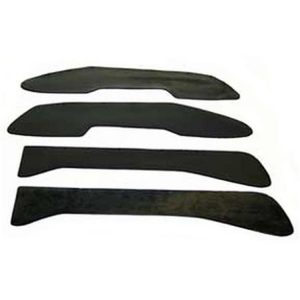
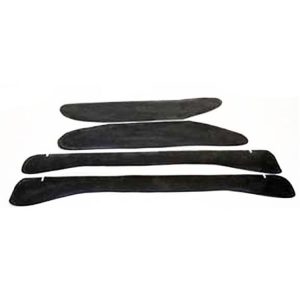
What a gap guard is for
A body lift raises the cab and bed on taller mounts, usually 1 to 3 inches, to clear bigger tires without changing the suspension. It is cheaper and simpler than a suspension lift and leaves ride and geometry alone. The price is cosmetic: with the body up, you can see the frame, the lift blocks and the inner bumper structure through the gap between the body and the bumper or along the rocker. A gap guard is a formed, flexible filler panel that bolts or sticks into that space, matched to the shape of the body and bumper for a specific truck, so the gap disappears. Daystar makes the ones listed here, and they are sold by position.
Choosing the right guard
- Position: front guards fill the space behind the front bumper; rear guards fill behind the rear bumper. Some kits cover both. If you only lifted enough to show a gap at the front, buy only the front piece.
- Bumper and hitch configuration: a rear guard for a truck without a factory hitch is shaped differently from one for a truck with the hitch receiver in place, which is why one listing is noted as for trucks without an OE hitch.
- Bed style: stepside or Sportside beds have a different body line than a fleetside, and the guard follows it.
- Lift height: gap guards are typically sized for the common 2 to 3 inch body lift on that truck. A 1 inch lift may need trimming; a taller lift may leave a gap above the guard.
- Vehicle: the guard is molded to one body and bumper shape. The listings here carry Daystar part numbers and some do not name the vehicle, so check the manufacturer's application chart for the number before choosing.
Material and finish
Daystar molds its guards from a flexible polyurethane-type material in black. It bends around corners, resists chipping from gravel and will not crack in cold weather the way rigid plastic can. The textured black finish matches most bumper trim and flares and can be scuffed and painted if you want body color, though black is the usual choice because it reads as shadow.
Installation
Guards install after the body lift is complete and the bumpers are reattached in their lifted position, which on most trucks means bumper relocation brackets from the lift kit. Clean the mating surfaces, test fit the guard to see which edge tucks behind the bumper and which fastens to the body, and mark the holes. Most kits use self-tapping screws or push fasteners; some sections rely on adhesive tape, which needs a warm, clean surface. Trim with a sharp utility knife if the guard overlaps a tow hook or sensor. Work on one side at a time so the second side can be matched to the first.
The rest of the body lift
While you are closing the gap, check the other details a body lift exposes: the steering shaft extension, fan shroud alignment, transfer case and shifter linkages, fuel filler neck and the bumper brackets themselves. A body lift that shows a gap often also shows a fan sitting low in its shroud. Lift height rules vary by state, so check local regulations for bumper and headlight height on a lifted truck. Confirm the gap guard number against your exact year, model, bed style and hitch configuration before choosing.
Body Lift Gap Guard FAQ
Do I need a gap guard after a body lift?
Not for function; the truck drives the same without it. It is a cosmetic piece that hides the frame, lift blocks and bumper brackets visible through the gap after a body lift. Most owners add one because a lifted truck with an open gap looks unfinished from the front and rear.
Which gap guard fits my truck?
Daystar makes each guard for a specific body, bumper and position, and the part numbers do not always name the vehicle in the listing. Check Daystar's application chart for your year, model, bed style and whether you have a factory hitch, then match the part number before choosing.
Will a gap guard work with a suspension lift?
No. A suspension lift raises the whole body and frame together, so there is no gap between them. Gap guards are only for body lifts, where the body is raised off the frame on taller mounts and the frame becomes visible behind the bumpers.
How does the gap guard attach?
Depending on the kit, with self-tapping screws into the body or bumper bracket, push fasteners, or adhesive tape on a clean, warm surface. The flexible material tucks behind the bumper edge. Test fit before fastening and trim around tow hooks or sensors with a sharp knife.