
Air System Replacement Air Bags
Showing 25–36 of 37 resultsSorted by popularity
-
-
-
-
-
-
-
Air System Replacement Air Bags
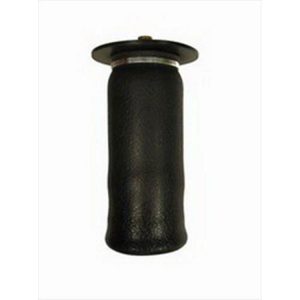
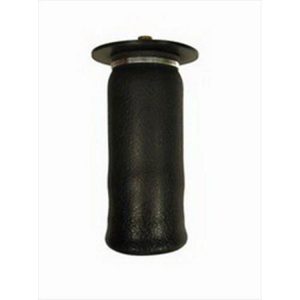
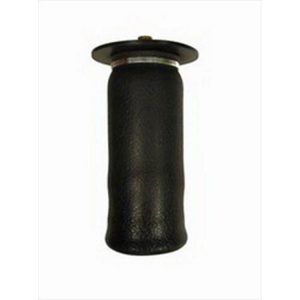
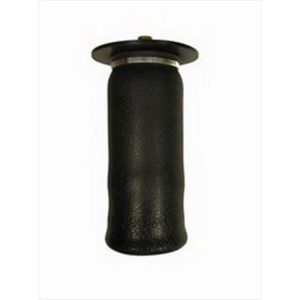
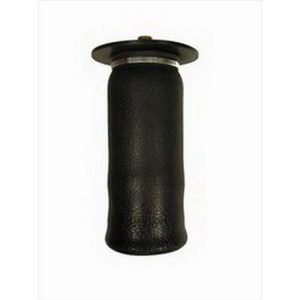
AirLift Replacement Sleeve – 50203
- AirLift 50203 replacement sleeve (air bellows) for Air Lift helper kits
- Compatible with part numbers 59501, 59527, 59539, 59542, 59551, 59555, 59611, 59563 and 59106BT
- No vehicle fitment listed; match your kit’s part number before ordering
SKU: AIR50203 -

When to replace an air spring
Air helper springs live under a truck for years in salt, heat and grit, and the rubber eventually fails. The usual signs are a system that will not hold pressure overnight when the lines and fittings test dry, a bag with visible cracking or chafe marks in the folds, a bulge on one side, or a bellows that has rubbed through against a bracket or tire. One bag failing does not mean the kit is done; the brackets, lines, compressor and gauge are usually fine, and that is why these replacement springs exist. Replace the bad bag, inspect the other side closely, and the kit goes back to work.
Three families of replacement spring
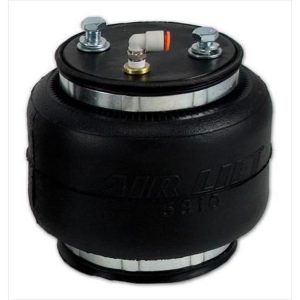
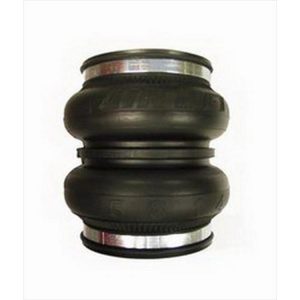
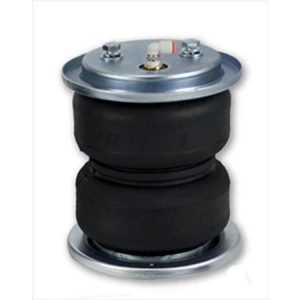
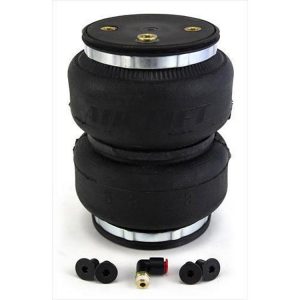
- Convoluted bellows: the double or single convoluted rubber bags used in LoadLifter 5000 and Ride-Rite kits on leaf sprung pickups and vans. Sold as one spring, sometimes with its hardware and an internal jounce bumper. The AirLift pieces are listed for a specific kit number, for example for use with kit 88275 or 88286.
- Sleeve style springs: the slim rolling lobe sleeves used in some LoadLifter 5000 Ultimate applications and the replacement sleeves for Chevrolet and Ford trucks. These are listed by truck and by the kit they replace.
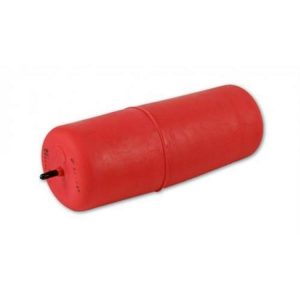
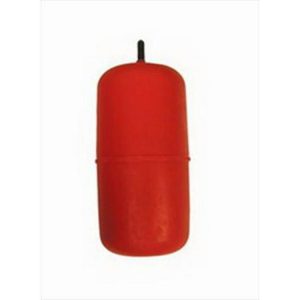
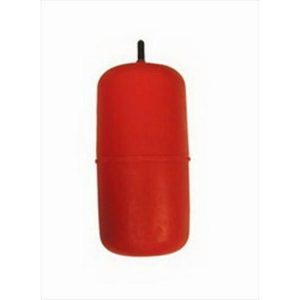
- Coil spring inserts: the polyurethane cylinders of the Air Lift 1000 and Coil-Rite kits that sit inside a coil spring, operating at 5 to 50 psi. The Gladiator replacement cylinder is one example; it comes without air line, fittings or hardware.
Matching the right spring
Work from the kit number, not the vehicle. The same truck may have been fitted with different kits over the years, and the bag dimensions follow the kit. The number is on the original box, the instruction sheet or a sticker on the bracket. If none of that survives, the AirLift and Firestone catalogs cross-reference the kit by vehicle, and Firestone bellows carry a molded part number on the rubber. Where a replacement is listed as universal fit, compare the collapsed and extended heights, the bead or end cap diameter and the fitting thread of the old spring with the new one before buying. A bag that is slightly too long bottoms out; one too short can pull apart at full extension.
Installation
Deflate the system fully and disconnect the air line at the spring. Support the frame on stands and let the axle hang on a jack so the bag is at full extension and can be slid out of its brackets. Most bellows unbolt from upper and lower brackets; sleeves and coil inserts simply pull out once the coil is relaxed. Transfer the air fitting with fresh thread sealant rated for air, install the new spring with the hardware supplied, and torque bracket bolts to the kit's specification. Before loading, inflate to about 5 to 10 psi and check that the bag sits straight in its brackets with no twist in the convolutions, then raise to working pressure and soap test every joint.
Making the new spring last
Never run a bag below its minimum pressure, usually 5 psi, even unloaded; an empty bag folds on itself and chafes. Never exceed the maximum stated for the kit, 100 psi on most LoadLifter systems and 50 psi on coil inserts. Keep the convolutions clear of mud buildup, check for tire or exhaust contact after any suspension or wheel change, and inspect the bags whenever the truck is on a lift. A set of replacement springs installed with care should give years of service.
Popular Air System Replacement Air Bags brands
Air System Replacement Air Bags FAQ
Can I replace just one air bag in my helper spring kit?
Yes. The parts in this category are single springs sold for specific kits, so you can replace the one that failed and keep the brackets, lines and compressor. Inspect the other side at the same time, because bags of the same age often fail close together.
How do I know which replacement air spring I need?
Start with the kit number from the original box, instructions or a sticker on the bracket, since replacement springs are matched to the kit rather than the truck. If you cannot find it, compare the old bag's dimensions and fitting with the listing or use the manufacturer's vehicle lookup.
Why does my air suspension lose pressure overnight?
Soap test the fittings, lines, inflation valves and the bag itself at working pressure. Small leaks at push-to-connect fittings are common and cheap to fix. If the bag bubbles in a fold or at the bead, it has failed and needs replacement.
What pressure should I run in a replacement air spring?
Follow the kit's range. Most LoadLifter 5000 bellows run from 5 to 100 psi and Air Lift 1000 coil inserts from 5 to 50 psi. Keep at least the minimum even unloaded so the bag does not fold and chafe, and never exceed the maximum when hauling.