
Load bars are the crossbars of a roof rack and carry cargo boxes, bikes, kayaks and gear. This category includes flush, aerodynamic and heavy-duty bars from Rhino-Rack USA and Thule, from compact 785 mm Vortex StealthBars to 65 inch heavy-duty bars, plus deck bars and accessory bars. Check bar length and fit type on each product page, then compare the products below.
Load Bar Racks
Showing 1–12 of 33 resultsSorted by popularity
-
-
-
Exterior Parts, Load Bar Racks, Racks
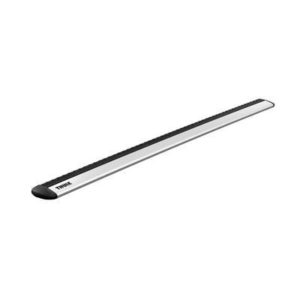
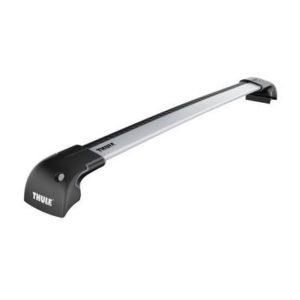
Thule AeroBlade Edge M Roof Rack Load Bar – 7602
- Thule AeroBlade Edge M roof rack load bar, part THU7602
- Premium aerodynamic design for a quiet ride
- Eases installation of roof accessories
- Sunroof caution: may limit opening the sunroof with racks fitted
SKU: THU7602 -
-
-
Exterior Parts, Load Bar Racks, Racks
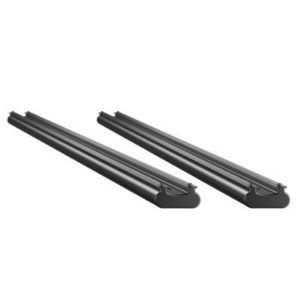
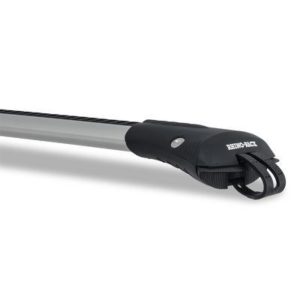
Rhino-Rack Vortex Stealth Bar (Silver 845mm) – RSB03S
- Rhino-Rack Vortex StealthBar in silver, 845mm, part number RSB03S
- Cut to a predefined length from a range of 7 options
- VGS rubber strip for lower wind drag and noise
- End caps included with the bar
SKU: RHORSB03S -
Exterior Parts, Load Bar Racks, Racks
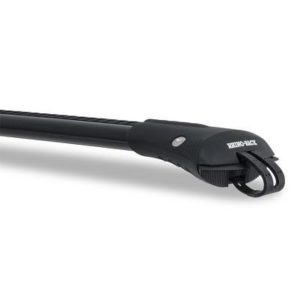
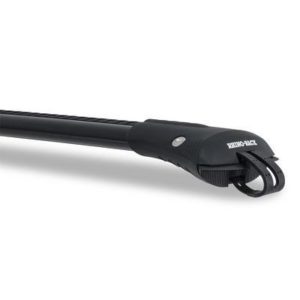
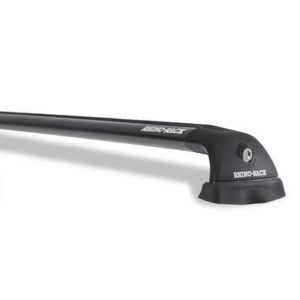
Rhino-Rack Vortex Stealth Bar (Black 905mm) – RSB04B
- Rhino-Rack Vortex StealthBar in black, 905mm, part number RSB04B
- Cut to one of 7 predefined lengths for raised roof rails
- VGS rubber strip designed to reduce wind drag and noise
- End caps included
SKU: RHORSB04B -
Exterior Parts, Load Bar Racks, Racks
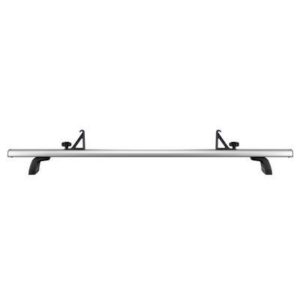
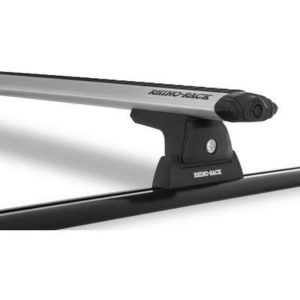
Rhino-Rack Vortex Silver 2 Bar 54″ Roof Rack – Y02-480
- Two-bar Vortex silver roof rack for a pickup cap/topper or hard top tonneau
- Cross bars slide along the track to suit different sized loads
- Universal fit for a pickup cap/topper or hard top tonneau
- Part number RHOY02-480 (Y02-480)
SKU: RHOY02-480 -
Exterior Parts, Load Bar Racks, Racks
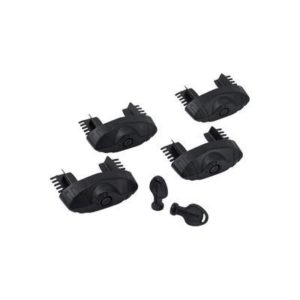
Rhino-Rack Vortex Secure Core Locking End Caps – VA-SEC4
- Rhino-Rack Vortex Secure Core Locking End Caps, part number VA-SEC4
- Locking mechanism helps prevent theft of accessories on the crossbar
- Set includes four locking end caps and two keys
- It is the end cap supplied as standard with Vortex crossbars.
SKU: RHOVA-SEC4 -
Exterior Parts, Load Bar Racks, Racks
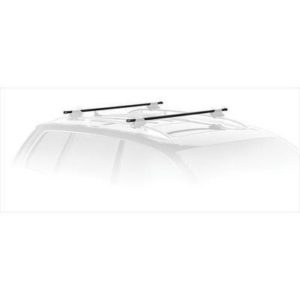
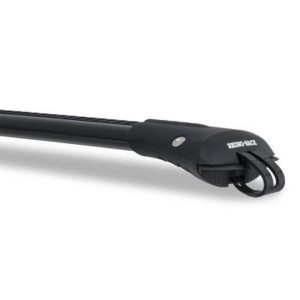
Rhino-Rack Vortex RVP 2 Bar Roof Rack (Black) – RVP27
- Two flush Vortex bars in black, front 951 mm and rear 913 mm
- Molded to fit a select range of Jeep Grand Cherokee roofs
- Attaches to factory mounting points
- Fits the 2011 to 2017 and 2018 to 2020 Grand Cherokee
SKU: RHORVP27


What load bars do
Load bars span the roof from side to side and provide the contact points for carriers, boxes and straps. They attach to a mounting system, such as factory side rails, fixed points, tracks or a leg kit, and carry a rated load that must be shared by the whole rack. They are the starting point for building a roof-based cargo setup.
Bar profiles
- Aerodynamic and wing profiles: shaped to reduce wind noise and drag, popular with commuters and overlanders who drive long highway miles. Examples include Thule WingBar styles and Rhino-Rack Vortex bars.
- Stealth and flush bars: lower-profile bars that sit tight to the roof.
- Heavy-duty bars: sturdy, often square or rectangular bars for tradespeople and utility use.
- Deck and platform parts: deck bars, platform side rails and accessory bars that build a flat load surface.
Choosing length and fit
- Bar length: listed in inches or millimeters, such as 785, 845 or 905 mm, or in 42, 46, 54 and 65 inch sizes. Match the length to your roof width and the mounting points.
- Vehicle mounting: confirm whether your vehicle has bare roof, raised rails, flush rails or fixed points. This sets which foot or leg kit you need.
- Number of bars: some items are sold individually and some as a two-bar rack, so check the quantity.
- Color: black or silver finishes are common.
Load ratings and safe use
Every rack has a dynamic load rating, which applies while driving, and the vehicle roof has its own limit in the owner's manual. The lowest of those governs. Do not exceed the figure, and note that cargo carried high shifts the vehicle's center of gravity, so expect different handling in crosswinds and corners. Secure all loads with rated straps, recheck them after the first few miles, and watch for changed clearance in garages and under low branches.
Installation notes
Bars are usually installed with the foot pack or leg kit specified for your vehicle, tightened to the manufacturer's torque with the supplied tool. Place the bars at the spacing recommended in the instructions, since too narrow a spacing reduces stability. Recheck fasteners periodically, and remove bars if you will not be using the rack, which can reduce wind noise and fuel use.
Confirm fitment for your exact year, make and model, and review the manufacturer's specifications, then compare the products below.
Accessories that build on the bars
Load bars serve as the base for many accessories, including cargo baskets, platform decks, bike carriers, kayak cradles, ladder racks, rooftop tents and awnings. Each accessory has its own weight rating and fit requirements, and tents in particular weigh far more than most simple carriers. Remember the combined weight of the accessory and everything on it when you compare it with your rack rating.
Fit end caps to open bar ends to reduce noise and prevent injury, and consider a lock set to secure bars and accessories when you park.
Measure the vehicle's roof width and any existing rails before shopping, and compare those measurements with the bar's published length. Bars that are too long can stick out past the body and catch trees, while bars that are too short limit what you can carry. Mark the correct bar spacing on the roof with removable tape so reinstalling the rack takes minutes.
Popular Load Bar Racks brands
Load Bar Racks FAQ
What length of load bar do I need?
Choose a length that fits your roof width and mounting points as specified in the vehicle fit guide. Bars are listed in millimeters or inches, and the length should suit your carriers and any overhang you want.
How much weight can a roof rack carry?
Each rack has a dynamic load rating, and your vehicle roof has its own limit in the owner's manual. Use the lowest figure and include the weight of boxes, carriers and the bars themselves.
Do load bars fit every vehicle?
No. The bars are often universal in shape, but the mounting feet or leg kit depend on whether your roof has rails, fixed points or a bare roof. Confirm fitment for your exact vehicle.
Why choose aerodynamic bars?
Wing or aero-shaped bars reduce wind noise and drag compared with square or round bars, which matters for highway driving. Square heavy-duty bars may suit utility loads where noise is less important.