
Brush & Grille Guards
Showing 25–36 of 117 resultsSorted by popularity
-
Brush & Grille Guards, Bumpers, Tire Carriers & Winch Mounts, Grille Guard

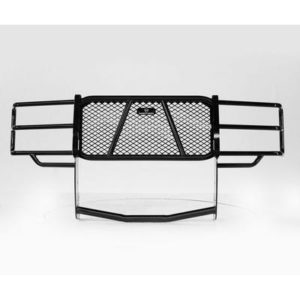
Ranch Hand Legend Series Grille Guard – GGC14HBL1S
 Brush & Grille Guards, Bumpers, Tire Carriers & Winch Mounts, Grille Guard
Ranch Hand Legend Series Grille Guard – GGC14HBL1S
- Legend Series grille guard for the 2014–2015 Chevrolet Silverado 1500
- May not work on some vehicles with sensors
- Access hole must be cut on trucks without tow hooks
- Part number R/HGGC14HBL1S
SKU: R/HGGC14HBL1S -
Brush & Grille Guards, Bumpers, Tire Carriers & Winch Mounts, Grille Guard
Ranch Hand Legend Grille Guard with Opening to Accommodate Camera and Sensors (Black) – GGC201BL1C
 Brush & Grille Guards, Bumpers, Tire Carriers & Winch Mounts, Grille Guard
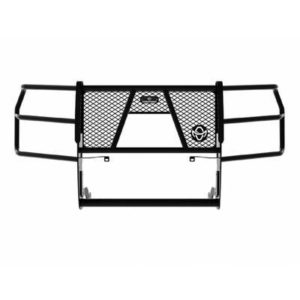
Ranch Hand Legend Grille Guard with Opening to Accommodate Camera and Sensors (Black) – GGC201BL1C
- Fully welded steel grille guard for 3/4 and 1 ton Chevrolet Silverado HD trucks
- Opening to accommodate a camera and sensors
- Mounted to the frame in two locations
- Black powder coat finish
- Part number R/HGGC201BL1C
SKU: R/HGGC201BL1C -
Brush & Grille Guards, Bumpers, Tire Carriers & Winch Mounts, Grille Guard

Go Rhino Sumatra 3000 Series StepGuard Grille Guard (Black) – 3293B
 Brush & Grille Guards, Bumpers, Tire Carriers & Winch Mounts, Grille Guard
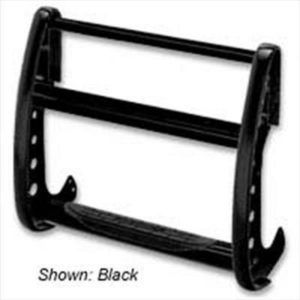
Go Rhino Sumatra 3000 Series StepGuard Grille Guard (Black) – 3293B
- Sumatra 3000 Series StepGuard grille guard for the 2009–2014 Ford F-150
- No-drill frame mount installation
- Built-in step with a molded, slip-resistant pad
- Powder coated steel, not weld-on
- Part number ORP3293B
SKU: ORP3293B -
Brush & Grille Guards, Bumpers, Tire Carriers & Winch Mounts, Grille Guard
Go Rhino RHINO Charger RC2 Mounting Brackets (Black) – 55985
 Brush & Grille Guards, Bumpers, Tire Carriers & Winch Mounts, Grille Guard
Go Rhino RHINO Charger RC2 Mounting Brackets (Black) – 55985
- Go Rhino RHINO Charger RC2 mounting brackets, black, part number ORP55985
- Powder coated steel construction
- Does not require welding
- Universal fit as listed, so confirm the bar and vehicle match before ordering
SKU: ORP55985 -
Brush & Grille Guards, Bumpers, Tire Carriers & Winch Mounts, Grille Guard
Go Rhino RHINO Charger RC2 Mounting Brackets (Black) – 55535
 Brush & Grille Guards, Bumpers, Tire Carriers & Winch Mounts, Grille Guard
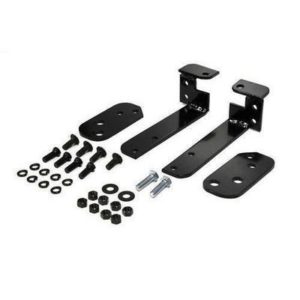
Go Rhino RHINO Charger RC2 Mounting Brackets (Black) – 55535
- Go Rhino RHINO Charger RC2 mounting brackets, part number ORP55535
- Black powder-coated steel, mounts without welding
- Universal fit; confirm the bar and vehicle match before ordering
SKU: ORP55535 -
Brush & Grille Guards, Bumpers, Tire Carriers & Winch Mounts, Grille Guard
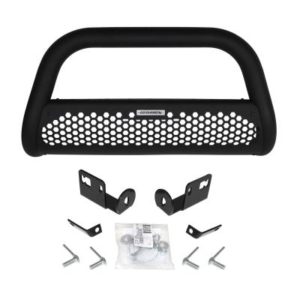
Go Rhino Rhino Charger RC2 Bull Bar (Textured Black) – 55205T
 Brush & Grille Guards, Bumpers, Tire Carriers & Winch Mounts, Grille Guard
Go Rhino Rhino Charger RC2 Bull Bar (Textured Black) – 55205T
- Textured black RC2 bull bar for the 2003–2006 Chevrolet Silverado and GMC Sierra 1500
- Also fits the 2003–2004 Silverado 2500 and Sierra 2500
- Designed to allow lights to be installed
- Brushed-finish stainless skid plate
- Part number ORP55205T
SKU: ORP55205T -
Brush & Grille Guards, Bumpers, Tire Carriers & Winch Mounts, Grille Guard
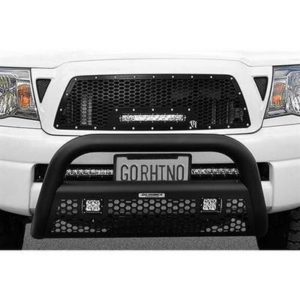
Go Rhino RHINO Charger 2 RC2 LR Complete Bull Bar Kit – 55172T
 Brush & Grille Guards, Bumpers, Tire Carriers & Winch Mounts, Grille Guard
Go Rhino RHINO Charger 2 RC2 LR Complete Bull Bar Kit – 55172T
- Complete RC2 LR bull bar kit for heavy-duty Chevrolet Silverado and GMC Sierra trucks
- Front location
- Skid plate with a hexagonal pattern
- Part number ORP55172T
SKU: ORP55172T -
Brush & Grille Guards, Bumpers, Tire Carriers & Winch Mounts, Grille Guard
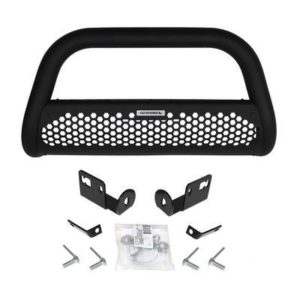
Go Rhino Charger RC2 Bull Bar (Black) – 55253T
 Brush & Grille Guards, Bumpers, Tire Carriers & Winch Mounts, Grille Guard
Go Rhino Charger RC2 Bull Bar (Black) – 55253T
- Black RC2 bull bar for the 2007–2019 Toyota Tundra and 2008–2019 Toyota Sequoia
- Built to allow lights to be installed
- Brushed-finish stainless skid plate
- Part number ORP55253T
SKU: ORP55253T -
Brush & Grille Guards, Bumpers, Tire Carriers & Winch Mounts, Grille Guard
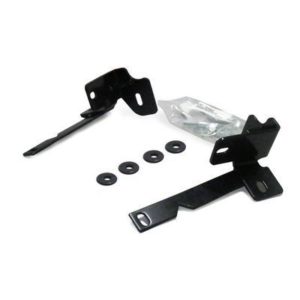
Go Rhino Charger RC2 Brackets (Black) – 55285
 Brush & Grille Guards, Bumpers, Tire Carriers & Winch Mounts, Grille Guard
Go Rhino Charger RC2 Brackets (Black) – 55285
- Brackets for mounting a Go Rhino Charger RC2 light to the back of the bull bar
- Mild steel with a black powder coat finish
- Vehicle-specific brackets, no drilling required
- Brackets only, excludes the driver alert package
- Part number ORP55285
SKU: ORP55285 -
Brush & Grille Guards, Bumpers, Tire Carriers & Winch Mounts, Grille Guard
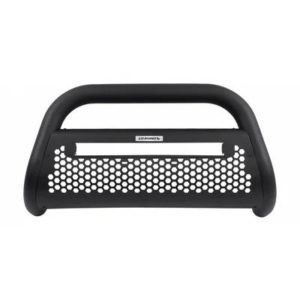
Go Rhino Charger 2 RC2 Bull Bar (Central Mount) – 55312T
 Brush & Grille Guards, Bumpers, Tire Carriers & Winch Mounts, Grille Guard
Go Rhino Charger 2 RC2 Bull Bar (Central Mount) – 55312T
- Go Rhino Charger 2 RC2 bull bar, central mount, part ORP55312T
- Front-mounted protection against brush, trees, rocks and curbs
- Bolt-on installation with no drilling required
- Additional mounting points for auxiliary driving lights
- Confirm fit for your vehicle before ordering
SKU: ORP55312T

Guard styles explained
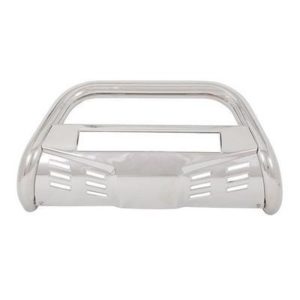
Front guards come in several shapes. Grille guards cover most of the grille and often extend to the headlights. Brush guards protect against branches and vegetation on trails and farm roads. Bull bars and nudge bars are lighter, with a tubular hoop or bar across the center of the front end, and several listed here include provisions for LED lights.
Bumper guards are smaller pieces that protect the corners or lower areas.
Choosing the right guard
- Coverage level: full grille coverage protects more, while a nudge bar keeps weight and appearance lower.
- Material: steel is common and tough, while aluminum reduces weight. Look at tube diameter and wall thickness.
- Finish: black powder coat is typical, and stainless or polished finishes appear too.
- Light mounting: some guards accept light bars or round lights, which affects wiring needs.
- Winch or bumper compatibility, which matters if you plan a winch.
Fitment, sensors and safety
Guards are designed for specific vehicles and trims, and many require the factory bumper or tow hooks to remain in place. Confirm fitment for your exact year, make and model. Vehicles with front cameras, parking sensors or adaptive cruise radar may require a guard designed to leave those clear, so read the product notes.
A guard changes front-end weight and can affect airbag sensors or crash behavior. It is not a substitute for a recovery-rated bumper. Do not use a bull bar as a recovery point unless the maker states it is designed for that use.
Installation notes
Most guards bolt to the frame or existing mounting points, but they are heavy, so use a helper or a jack to support them during installation. Tighten to the specified torque values, apply thread locker where recommended and recheck after the first drive.
If you add lights, use a relay and a fused circuit, and check local rules because auxiliary lighting regulations vary by state. For vehicles with sensors or electronic features, a professional installer can help avoid issues.
Further checks and care
Questions to ask before you choose
Think about the kind of impacts you want to guard against. Brush and vegetation call for a different design than one aimed at deer or livestock on rural roads. Ask whether you plan to add a winch, lights or a hitch-mounted accessory that might conflict. Finally, consider the added weight on your front springs, which may squat slightly and could affect ride height and headlight aim.
Materials and construction
Guards are commonly built from mild steel tube, with some made from aluminum or stainless. Look at tube diameter, wall thickness and the quality of the welds and mounting plates. Powder coating resists chips better than spray paint. Hidden mounting brackets keep the look clean, but they must bolt solidly to the frame. Rubber or plastic caps at attachment points reduce rattles and protect paint on the vehicle.
Maintenance and mistakes to avoid
Inspect the mounting bolts after the first drive and again at regular intervals, because vibration loosens hardware. Touch up scratches to stop rust. Do not use a guard to push or pull other vehicles unless the maker says it is rated for that use. Another common mistake is buying a guard that blocks the airflow to the radiator or intercooler, so check clearance and confirm it fits with your front bumper and skid plates.
Popular Brush & Grille Guards brands
- Go Rhino (38)
- Westin (26)
- Aries Offroad (12)
- Ranch Hand (11)
- Rough Country (10)
- Rugged Ridge (7)
- Lund (5)
- Warn (2)
- ARB 4x4 Accessories (2)
- Daystar (1)
- Rampage (1)
- Dee-Zee (1)
Shop Brush & Grille Guards by type
- Grille Guard (92)
- Bumper Guard (17)
- Brush Guards (8)
Brush & Grille Guards FAQ
What is the difference between a bull bar and a grille guard?
A bull bar is a lighter hoop or bar across the center of the front. A grille guard covers more of the grille and often extends to protect the headlights and sides.
Will a grille guard affect my airbags or sensors?
It can on some vehicles. Look for guards designed for your model that mention sensor and airbag compatibility, and consult the manufacturer's information for your vehicle before installing.
Can I mount a winch on a grille guard?
Generally no. Grille and brush guards are not designed to carry winch loads. A purpose-built winch bumper or mount is the right choice, and you should follow the winch maker's installation requirements.