UTV tires in this category cover side-by-side machines driven on trails, dunes, desert, and rocks, in sizes such as 27x9R14, 28x10R12, and 32x10R15. They suit owners replacing worn tires or upgrading to a different tread. Brands include Super Swamper Tires, Tensor Tires, Maxxis Tires, and GMZ Race Products. Open a product page to compare ply rating and part number.
UTV Tires
Showing 1–12 of 38 resultsSorted by popularity
-
UTV Parts & Accessories, UTV Tires, UTV Tires & Wheels

Tensor Tires 33x10R15 UTV Tire, Desert Series DSR – TT331015DS60
 UTV Parts & Accessories, UTV Tires, UTV Tires & Wheels
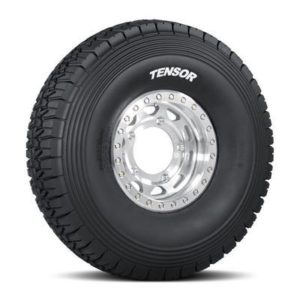
Tensor Tires 33x10R15 UTV Tire, Desert Series DSR – TT331015DS60
- Tensor Tires DSR 33 in a 33x10R15 size, Desert Series
- 33-inch tire height with a 15-inch rim
- Raised white sidewall letters
- Designed to improve lateral and longitudinal grip and steering response
- Universal fit listed; no vehicle named
SKU: MRWTT331015DS60 -
UTV Parts & Accessories, UTV Tires, UTV Tires & Wheels
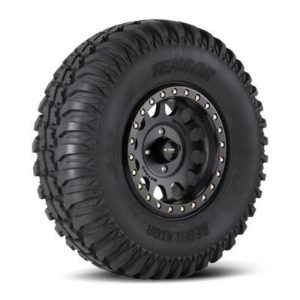
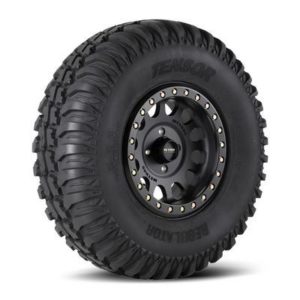
Tensor Tires 32x10R15 UTV Tire, Regulator A/T – TR321015AT
 UTV Parts & Accessories, UTV Tires, UTV Tires & Wheels
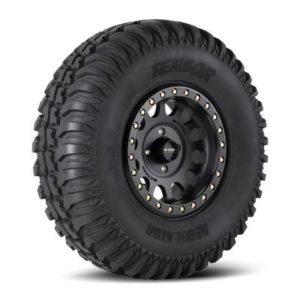
Tensor Tires 32x10R15 UTV Tire, Regulator A/T – TR321015AT
- Tensor Tires Regulator A/T all-terrain UTV tire, part MRWTR321015AT
- Size 32x10R15 for a 15-inch rim
- 8-ply construction with DOT approval
- Truck-style tread design rather than ATV tread
SKU: MRWTR321015AT -
UTV Parts & Accessories, UTV Tires, UTV Tires & Wheels
Tensor Tires 32x10R15 UTV Tire, Desert Series (Soft) – TT321015DS50
 UTV Parts & Accessories, UTV Tires, UTV Tires & Wheels
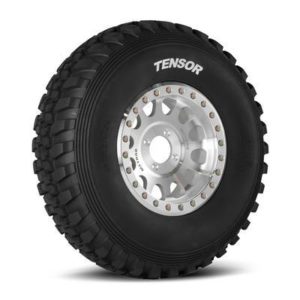
Tensor Tires 32x10R15 UTV Tire, Desert Series (Soft) – TT321015DS50
- Desert Series (Soft) in a 32x10R15 size
- 8-ply construction
- Thick tread blocks for custom grooving
- Ribbed sidewall shoulder for puncture resistance
- Made in the USA
SKU: MRWTT321015DS50 -
UTV Parts & Accessories, UTV Tires, UTV Tires & Wheels
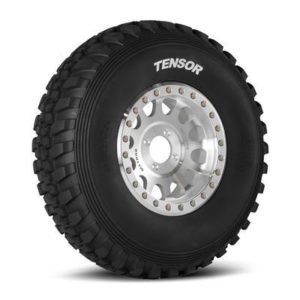
Tensor Tires 32x10R15 UTV Tire, Desert Series (Hard) – TT321015DS60
 UTV Parts & Accessories, UTV Tires, UTV Tires & Wheels
Tensor Tires 32x10R15 UTV Tire, Desert Series (Hard) – TT321015DS60
- Desert Series (Hard) in a 32x10R15 size
- 8-ply construction
- Thick tread blocks allow custom grooving
- Ribbed sidewall shoulder for puncture resistance
- Made in the USA
SKU: MRWTT321015DS60 -
UTV Parts & Accessories, UTV Tires, UTV Tires & Wheels
Tensor Tires 30x10R15 UTV Tire, Regulator A/T – TR301015AT
 UTV Parts & Accessories, UTV Tires, UTV Tires & Wheels
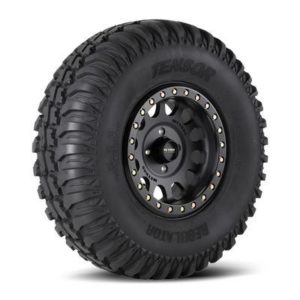
Tensor Tires 30x10R15 UTV Tire, Regulator A/T – TR301015AT
- Tensor Tires 30x10R15 UTV tire, Regulator A/T, part number MRWTR301015AT
- 8 ply construction, DOT approved, truck-based tread design
- 15 inches rim diameter, tire width 10, tire height 30
- Black letter sidewall; no specific vehicle listed
SKU: MRWTR301015AT


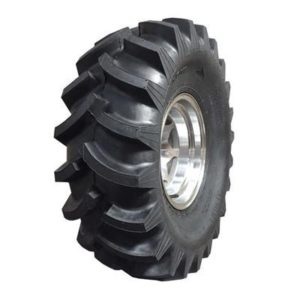
Sizing a UTV tire
Sizes are written as height, width, and rim diameter, for example 28x10R14 means 28 inches tall, 10 inches wide, on a 14-inch rim. An R denotes radial construction. UTVs are heavier and faster than ATVs, so ply ratings of 6 or 8 are common, giving more resistance to cuts and pinch flats.
Check your machine's stock size and the largest tire the manufacturer allows. Taller tires change gearing, speedometer reading, and clearance.
Tread patterns
- All-terrain: Balanced tread for trails, gravel, and mixed use.
- Desert and race: Smoother or lower lugs and stiffer carcasses for fast, rocky terrain.
- Sand: Paddle or ribbed rears with smooth fronts for dunes.
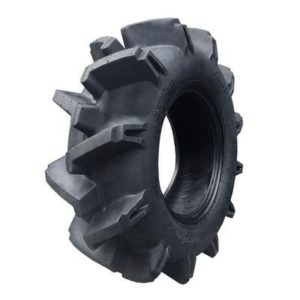
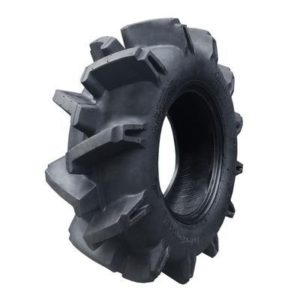
- Mud: Aggressive lugs that clear mud and bite in soft ground.
Some tires are directional or intended for front or rear only, so read the listing for position notes.
What to compare
Compare rim diameter, bolt pattern compatibility with your wheels, weight, and load rating. Heavier tires can slow acceleration and strain the drivetrain. Radial tires often offer a smoother ride at speed, while stiff sidewalls improve stability in corners and resist rock damage.
Look at tread depth and the style name, since the same brand can offer very different patterns in the same size.
Mounting and care
Mount on UTV-specific wheels with the correct lug nut seat, and torque lugs to the manufacturer's specification. Run the recommended pressure, which is typically low and varies with terrain and load, and check it before every ride. Oversized tires can wear axles, CV joints, and bearings, and may affect stability, so follow the machine's limits. Professional mounting and balancing are helpful, and fitment should be confirmed for your exact make, model, and year.
Before you buy a set
UTV tires are usually bought as a full set of four, though front and rear sizes can differ. Measure clearance at full turn and compression with the new height in mind, and check that the wheels have the right load rating for the extra weight.
Think about how you use the machine. Fast desert running calls for different construction than slow rock crawling, and a tire built for sand may wear quickly on pavement and gravel. Carry a spare and tools, and know your machine's recommended pressures for different terrain.
UTV tire weight is a real consideration. Taller, heavier tires reduce acceleration, strain belts on CVT transmissions, and increase stress on drivetrain parts. If your machine is lightly powered, choose a modest size increase and a lighter construction. For long desert runs, sidewall protection and consistent pressure are more important than aggressive looks.
Inspect tires regularly for cuts, bubbles, and uneven wear. Rotate when the manufacturer allows and keep an eye on alignment, since toe settings can scrub tread quickly. Use the right valve stems and consider beadlock wheels only if they are legal and suited to the use.
Finally, check the speed rating and tire load on the sidewall or the maker's data, and make sure the tires suit the speeds you run.
Popular UTV Tires brands
- Super Swamper Tires (9)
- Tensor Tires (8)
- Maxxis Tires (7)
- Kenda Tires (4)
- GMZ Race Products (4)
- ITP (3)
- Sand Tires Unlimited (2)
- Toyo Tires (1)
- Nitto (1)
- High Lifter Products (1)
UTV Tires FAQ
What does 28x10R14 mean?
It means the tire is about 28 inches tall, 10 inches wide, and fits a 14-inch rim, with radial construction. Always match the rim diameter to your wheels and check the overall height against your machine's limits.
Is a higher ply rating better?
It resists punctures and cuts better, which helps on rocky terrain. The tradeoff is more weight and a firmer ride. Choose according to terrain and the machine's weight.
Can I run larger tires on a stock UTV?
Often a modest increase is fine, but larger sizes can rub, change gearing, and strain the drivetrain. Check the manufacturer's maximum size and test clearance at full steering and suspension travel.
Do front and rear tires need to match?
Many owners run matching sets, while some desert and sand setups use different fronts and rears. Check the tire listing and your owner's manual, and avoid mixing sizes that change drive ratios.