
Exhaust System Kit
Showing 97–107 of 107 resultsSorted by popularity
-
Exhaust System Kit, Exhaust Systems, Headers, Pipes and Hardware, Performance Parts

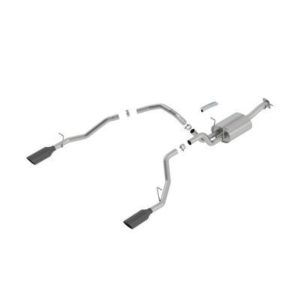
Borla Cat-Back Exhaust – 140752BC
 Exhaust System Kit, Exhaust Systems, Headers, Pipes and Hardware, Performance Parts
Borla Cat-Back Exhaust – 140752BC
- Borla BOR140752BC 3-inch stainless cat-back exhaust with dual split rear exit
- Fits 2019–2026 Ram 1500 trucks in nine trims, including Big Horn, Laramie and Rebel
- Black chrome T-304 stainless tips, tip included
- Fits through factory bumper cut-outs; does not fit the Ram Classic
SKU: BOR140752BC -
Exhaust System Kit, Exhaust Systems, Headers, Pipes and Hardware, Performance Parts
Borla Cat-Back Exhaust – 140720BC
 Exhaust System Kit, Exhaust Systems, Headers, Pipes and Hardware, Performance Parts
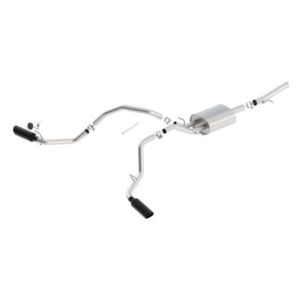
Borla Cat-Back Exhaust – 140720BC
- Borla BOR140720BC cat-back exhaust with 2.75-inch tubing
- Fits 2014–2018 Chevrolet Silverado 1500 (LS, LT, WT) and GMC Sierra 1500 (Base, SLE)
- Coated steel, dual split side exit, tip included
SKU: BOR140720BC -
Exhaust System Kit, Exhaust Systems, Headers, Pipes and Hardware, Performance Parts
Borla Cat-Back Exhaust – 140571BC
 Exhaust System Kit, Exhaust Systems, Headers, Pipes and Hardware, Performance Parts
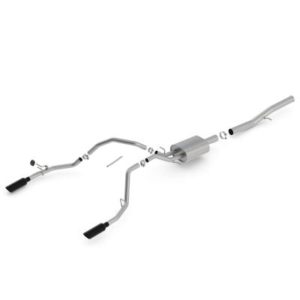
Borla Cat-Back Exhaust – 140571BC
- Fits the 2014–2018 Chevrolet Silverado 1500 (High Country, LTZ) and GMC Sierra 1500 (Denali, SLT)
- Borla cat-back exhaust, part number BOR140571BC
- Dual split side exit with 3.5-inch coated steel tubing
- Exhaust tip included
SKU: BOR140571BC -
Exhaust System Kit, Exhaust Systems, Headers, Pipes and Hardware, Performance Parts
Borla Cat-Back ATAK Exhaust System – 140616BC
 Exhaust System Kit, Exhaust Systems, Headers, Pipes and Hardware, Performance Parts
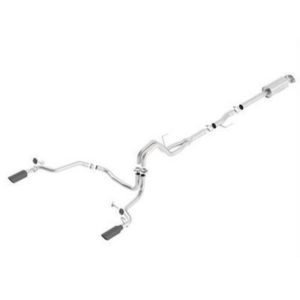
Borla Cat-Back ATAK Exhaust System – 140616BC
- Borla BOR140616BC cat-back exhaust system with 2.75-inch tubing
- Fits 2015–2020 Ford F-150 King Ranch, Lariat, Platinum, Police Responder, SSV, XL and XLT trims
- T-304 stainless steel with dual split side exit and tip included
- Adapters 60556 or 60564 referenced for certain cab and bed setups
SKU: BOR140616BC -
Exhaust System Kit, Exhaust Systems, Headers, Pipes and Hardware, Performance Parts
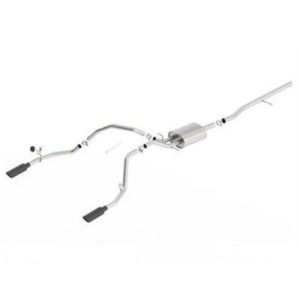
Borla Cat-Back ATAK Exhaust System – 140537BC
 Exhaust System Kit, Exhaust Systems, Headers, Pipes and Hardware, Performance Parts
Borla Cat-Back ATAK Exhaust System – 140537BC
- Borla Cat-Back ATAK exhaust system, part number BOR140537BC, for listed 2014–2019 Chevrolet Silverado 1500 and GMC Sierra 1500 trucks
- 2.25-inch stainless steel tubing with a dual rear exit
- Tips included
SKU: BOR140537BC -
Exhaust System Kit, Exhaust Systems, Headers, Pipes and Hardware, Performance Parts
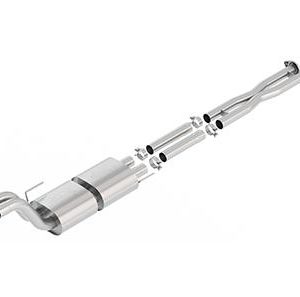
Borla ATAK X-Pipe with Mid Pipes System – 60638
 Exhaust System Kit, Exhaust Systems, Headers, Pipes and Hardware, Performance Parts
Borla ATAK X-Pipe with Mid Pipes System – 60638
- Borla ATAK X-pipe with mid pipes, part number 60638, for listed 2017–2020 Ford F-150 trims
- Mid-section combines an X-pipe with ATAK mufflers
- Fits with either factory tailpipes or Borla tailpipes
- Built from T-304 stainless steel
SKU: BOR60638 -
Exhaust System Kit, Exhaust Systems, Headers, Pipes and Hardware, Performance Parts
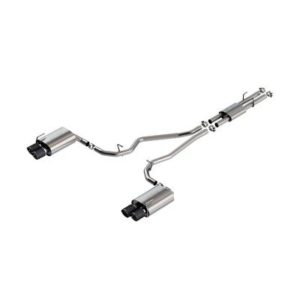
Borla ATAK Cat-Back Exhaust System (Carbon Fiber) – 140821CF
 Exhaust System Kit, Exhaust Systems, Headers, Pipes and Hardware, Performance Parts
Borla ATAK Cat-Back Exhaust System (Carbon Fiber) – 140821CF
- Borla ATAK Cat-Back exhaust system, part number BOR140821CF, for the 2020–2026 Ford Explorer ST with its 3.0L V6 EcoBoost engine
- Fitment list also covers 2020–2026 Lincoln Aviator trims Base, Black Label, Black Label Grand Touring, Grand Touring and Reserve
- 2.25-inch T-304 stainless steel tubing with a dual split rear exit
- Internal H-pipe in the front muffler for increased performance and improved sound
- Carbon fiber tips with bright centers included
SKU: BOR140821CF -
Exhaust System Kit, Exhaust Systems, Headers, Pipes and Hardware, Performance Parts
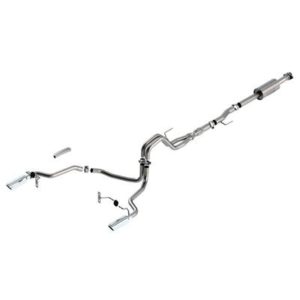
Borla ATAK Cat-Back Exhaust System – 140867
 Exhaust System Kit, Exhaust Systems, Headers, Pipes and Hardware, Performance Parts
Borla ATAK Cat-Back Exhaust System – 140867
- Fits 2021–2026 Ford F-150 with the 5.0L V8 (listed trims)
- Stainless steel cat-back system with dual split rear exit
- Tip included; tubing 3 inches / 2.25 inches
- Part number BOR140867; Million Mile Warranty
SKU: BOR140867 -
Exhaust System Kit, Exhaust Systems, Headers, Pipes and Hardware, Performance Parts
Borla ATAK Cat-Back Exhaust System – 140775
 Exhaust System Kit, Exhaust Systems, Headers, Pipes and Hardware, Performance Parts
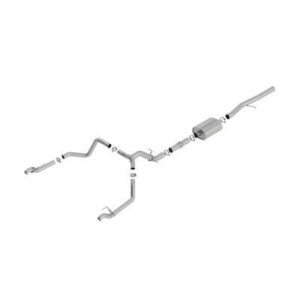
Borla ATAK Cat-Back Exhaust System – 140775
- Borla ATAK cat-back exhaust system, part number BOR140775
- Fits 2019–2026 Chevrolet Silverado 1500 and GMC Sierra 1500 trucks
- Made for factory split rear exit vehicles; tips not included
- T-304 stainless steel with mandrel bends and CNC manufacturing
- Million-Mile Warranty stated by Borla
SKU: BOR140775 -
-
Exhaust System Kit
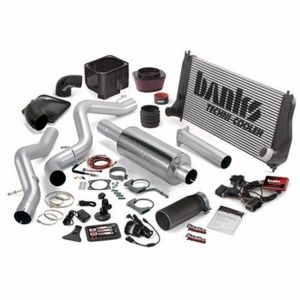
Big Hoss® Bundle
- Banks Power Big Hoss bundle, part number 46062-B
- Fits 2006–2007 Chevrolet Silverado 2500 HD and GMC Sierra 2500 HD trucks
- Includes Six-Gun Diesel Tuner, Banks iQ, Banks Ram-Air Intake, Techni-Cooler Intercooler, Boost Tube Kit, Monster Exhaust and Black Tip
- Single exhaust exit
SKU: GBE46062-B

What an exhaust system kit includes
A cat-back kit replaces the exhaust from the catalytic converter outlet to the tailpipe. That typically means mid pipes, a muffler or mufflers, a resonator on some designs, a tailpipe and tip, plus hangers and clamps. Buying a matched kit means the pipe bends and hanger locations are designed for a specific vehicle, which simplifies installation compared with piecing together separate parts.
Specs to compare
Listings in this category share a few consistent specifications.
- Tubing size, with examples from 2.5 to 3 inches. Larger is not always better, since an oversized pipe on a mild engine can reduce low-end torque.
- Exit location and type, such as single rear, dual rear, single side or dual side, which must suit your bumper and trailer hitch layout.
- Material, commonly stainless steel, which resists rust better than aluminized steel.
- Whether a tip is included, and its finish and size.
- System type, such as cat-back or a diesel particulate filter-back design.
Sound and performance expectations
Manufacturers use names such as touring, sport or outlaw to indicate sound level, from mild to aggressive. Interior drone at highway speed is a common complaint with louder systems, so read the description for how the system sounds at cruise.
Gains from a cat-back system are usually modest and depend on the engine. Treat it mainly as a sound and fitment upgrade, and keep expectations realistic unless it is paired with other intake or tuning changes.
Fitment, legality and installation
Confirm the year, make, model, engine, cab and bed configuration, and wheelbase. Check ground clearance if the vehicle is lifted or rides on larger tires, and verify the system clears the spare tire, skid plates and hitch.
Exhaust sound limits and emissions rules vary by state and municipality, and a cat-back system does not usually alter emissions equipment, but check local regulations. Installation involves heavy pipes and hot components, so use jack stands or a lift, allow the exhaust to cool, replace gaskets, and torque clamps correctly. Professional installation is a good option if you lack the tools.
Keep receipts and the part numbers for your records, and inspect the system after the first few hundred miles. Hangers can settle and clamps can loosen as the metal heats and cools, so a quick re-check of every joint helps prevent rattles and leaks.
Materials, construction and maintenance
Exhaust systems live in a harsh environment of heat, moisture, road salt and vibration, so construction details matter. Mandrel-bent tubing keeps a consistent diameter through each bend, which preserves flow compared with crush-bent pipe, and clean welds with proper flanges reduce leaks. Stainless steel is available in several grades, and thicker material generally resists cracking and rust longer.
- Inspect hangers and rubber isolators at each oil change, since worn ones let pipes contact the body
- Check clamp bolts and flange connections for leaks, which show as black soot around joints
- Never let tips or pipes rest against fuel lines, brake lines or wiring
- Use new gaskets and hardware at slip joints and flanges
- Allow the system to cool fully before working on it
A rattle after installation almost always means a hanger is misaligned or a pipe is touching the frame or skid plate. Loosen the clamps, reposition the system so it has even clearance all around, and tighten from the front to the back. If a new system seems louder than expected, a small exhaust leak at a joint is more likely the cause than the muffler itself.
Popular Exhaust System Kit brands
- MagnaFlow Exhaust (39)
- Borla (28)
- Flowmaster Exhaust (24)
- Corsa Performance Exhaust (6)
- Dynomax Exhaust (5)
- MBRP (3)
- Rugged Ridge (1)
- Afe Power (1)
- Banks Power (1)
Exhaust System Kit FAQ
What does cat-back mean?
Cat-back means the system starts after the catalytic converter and runs to the rear of the vehicle. It leaves the converter and emissions parts in place, which is why it is a common first exhaust upgrade.
Will a cat-back exhaust make my truck louder?
Usually yes, to a degree set by the muffler design. Systems range from near-stock to aggressive, so look for the manufacturer's sound description and read the details on the product page.
Is stainless steel exhaust worth it?
Stainless resists rust and corrosion better than aluminized steel, which can matter in wet or salted climates. Grade and weld quality also affect longevity, so check the listing details.
Do I need a tune after installing a new exhaust?
A cat-back system generally does not require a tune on most vehicles. Some manufacturers recommend one for maximum gains, so check the product details and your engine's requirements.