
Backpacks & Storage Bags
Showing 13–24 of 25 resultsSorted by popularity
-
Backpacks & Storage Bags
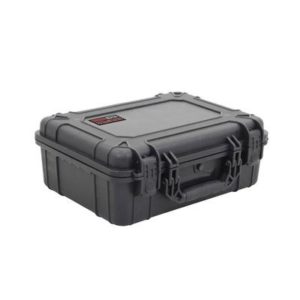
Go Rhino Xventure Gear Hard Case (Large) – XG201608
- Go Rhino Xventure Gear Hard Case (Large), part number XG201608
- IP67 waterproof rating with an injection-molded PPC Thermoplastic shell
- Finger-safe flex latches and rubberized handles
- Padlock provision and automatic air pressure release valve
- Universal fit per the brand, with no specific vehicles named
SKU: ORPXG201608 -
-
Backpacks & Storage Bags
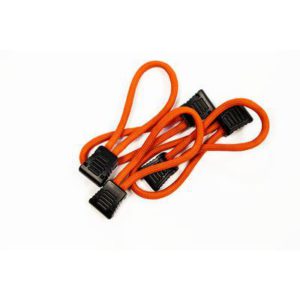
Fishbone Offroad Paracord 5-Piece Zipper Pulls (Mango) – FB51279-2
- Fishbone Offroad Paracord 5-Piece Zipper Pulls, part number FB51279-2
- Five durable paracord pulls in mango
- Helps you grip zippers on soft tops that have hardened in the sun
- Universal fit, not tied to a specific vehicle
SKU: FISFB51279-2 -
Backpacks & Storage Bags
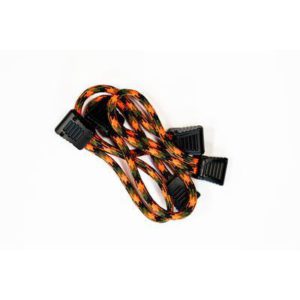
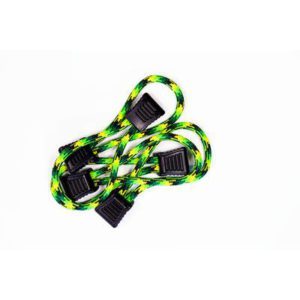
Fishbone Offroad Paracord 5-Piece Zipper Pulls (Chameleon) – FB51279-H
- Fishbone Offroad Paracord 5-Piece Zipper Pulls in Chameleon
- Part number FISFB51279-H
- Made from durable ParaCord
- Attaches to soft tops, book bags and pants, per the brand
- Stated fitment: Universal Fit
SKU: FISFB51279-H -
Backpacks & Storage Bags
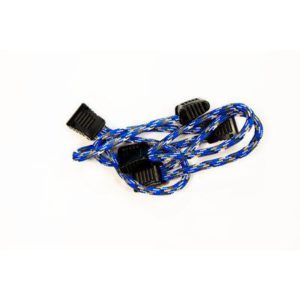
Fishbone Offroad Paracord 5-Piece Zipper Pulls (Blue Camo) – FB51279-X
- Fishbone Offroad Paracord 5-Piece Zipper Pulls in Blue Camo
- Part number FISFB51279-X
- Durable ParaCord construction
- Attaches to soft tops, book bags and pants, per the brand
- Stated fitment: Universal Fit
SKU: FISFB51279-X -
Backpacks & Storage Bags
Bartact 550 Paracord Zipper Pulls with Key Ring – Set of 5 (Red) – XXPZ5R
- Bartact 550 Paracord Zipper Pulls with Key Ring, set of five in red
- Part number TRKXXPZ5R
- Hand woven 550 nylon paracord made in the U.S.A.
- Removable 10mm key ring for smaller zipper heads
- Stated fitment: Universal Fit
SKU: TRKXXPZ5R -
Backpacks & Storage Bags

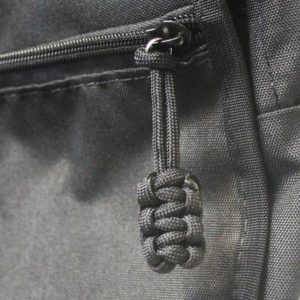
Bartact 550 Paracord Zipper Pulls with Key Ring – Set of 5 (Black) – XXPZ5B
 Backpacks & Storage Bags
Bartact 550 Paracord Zipper Pulls with Key Ring – Set of 5 (Black) – XXPZ5B
- Bartact 550 Paracord Zipper Pulls with Key Ring, set of five in black
- Part number TRKXXPZ5B
- Hand woven 550 Nylon Paracord
- Removable 10mm key ring for small zipper heads
- Stated fitment: Universal Fit
SKU: TRKXXPZ5B -
Backpacks & Storage Bags
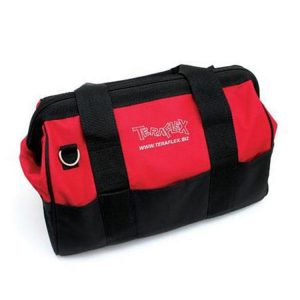
TeraFlex Heavy Duty Canvas Bag (Black/Red) – 5028900
- TeraFlex Heavy Duty Canvas Bag, part number 5028900, black/red
- 600 Denier Nylon body with padded bottom
- 3/8 inch HD slider zipper with 1 inch webbing
- Dimensions 9 in. wide, 16 in. long, 11 in. deep
- Not vehicle-specific
SKU: TER5028900 -
Backpacks & Storage Bags
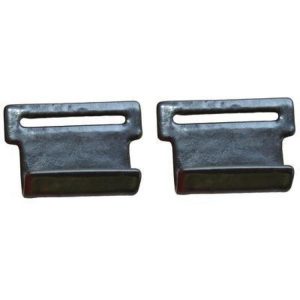
Saddlebag Car Clips
- Rightline Gear Saddlebag Car Clips, part number 100605
- Lets the Cargo Saddlebag be used on vehicles without a roof rack
- Attaches to the saddlebag side straps and the roof-to-hatch gap
- Coated clips, per the brand, to prevent vehicle damage
- Stated fitment: Universal Fit
SKU: R/G100605 -
-
-







Where the bag will ride decides the bag
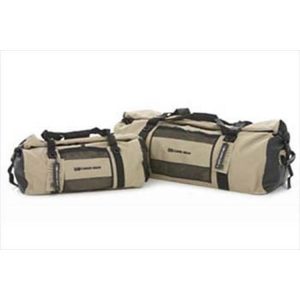
Gear on an overland trip lives in three places: inside the vehicle, on the roof rack, or in an open bed. Inside, the enemies are dust and disorganization, and a duffel or a stackable case works. On the roof, the bag takes rain, UV, wind at highway speed and road grime, so it needs waterproof fabric, strong tie-down-cargo-management points and a shape that fits between the rack rails. In a truck bed it takes all of that plus abrasion from the bed floor and whatever slides against it, which is where a hard case earns its weight. Pick the location first, then the bag.
Waterproof fabric bags
The Rockagator backpacks and duffels use a TPU coated fabric with welded rather than sewn seams and a roll-top closure that folds over three times and clips at the sides. That construction is rated by the maker for quick submersion, which is a different thing from water resistant: it will keep a phone and dry clothes safe through a river crossing or a day of rain on the roof. Sizes run from a 25 liter daypack to a 40 liter backpack with a laptop sleeve and a 90 liter duffel that swallows a week of camp gear. Hypalon tether points on the outside let you lash the bag to a rack or strap a sleeping pad to it. The Rhino-Rack luggage bag is a different shape, a 500D poly canvas box roughly 31 by 43 by 12 inches made to sit on a roof tray with a zippered lid and strap loops.
Hard cases
Go Rhino's Xventure cases are injection molded thermoplastic boxes with an IP67 rating, meaning dust tight and watertight to a meter of immersion for a short time, finger-safe flex latches, rubber handles and a pressure release valve so the lid opens after altitude changes. They stack, they take a padlock, and they protect fragile gear like camera bodies, drones and radios from the pounding a roof rack delivers on washboard. The cost is weight and fixed volume; a case that is half empty is as big as a full one. They come in medium, large and extra large and suit a bed, a drawer system or a rack with mounting rails.
Organizers for camp
Thule's camp organizers are a different category of problem: a Go Box that holds kitchen gear in a rigid, stackable form and a countertop organizer that unrolls to keep utensils and spices in view. They keep the kitchen from becoming a pile and make packing up faster, which matters when you move camp daily.
Choosing well
- Capacity in liters: 25 to 40 liters is a day or a personal bag, 60 to 90 liters is clothing and bedding for one or two people for a week.
- Closure: roll-top for full waterproofing, zipper for quick access with less protection; a few bags have both.
- Tie-down points: on the roof you need at least four, strong enough for ratchet straps, and they should be reinforced where they meet the fabric.
- Color: bright colors are easy to find in a dark cargo area and reflect heat on the roof; black hides dirt.
- Hard case size: measure the space in your drawer, bed or rack before choosing medium, large or extra large.
Using bags on a roof rack
Lay the bag with the roll top facing rearward so wind does not peel it, cinch straps at two points along each side, and twist the strap tails so they do not buzz. Check tension after the first few miles since bags settle. Keep weight on the roof modest, under the rack's dynamic rating, and put heavy items inside the vehicle low and forward. Hose the bag off after dusty roads and let it dry open; a damp bag rolled up grows mildew.
Popular Backpacks & Storage Bags brands
- Rockagator (6)
- Go Rhino (4)
- Fishbone Offroad (4)
- Thule (2)
- Bartact (2)
- ARB 4x4 Accessories (2)
- Rightline Gear (1)
- Jeep (1)
- 4 Wheel Parts (1)
- Rhino-Rack USA (1)
- Smittybilt (1)
- TeraFlex (1)
Backpacks & Storage Bags FAQ
Is a waterproof backpack really submersible?
Bags with welded TPU seams and a roll-top closure, such as the Rockagator Hydric and Kodiak lines, are rated by the maker for quick submersion, which covers a dropped bag or a river crossing. Zippered bags and canvas luggage are water resistant but not submersible.
What does an IP67 rating mean on a hard case?
IP67 means the case is dust tight and protected against immersion in up to a meter of water for about 30 minutes. The Go Rhino Xventure cases carry this rating and include a pressure release valve so the lid opens after altitude or temperature changes.
What size duffel do I need for a week of overlanding?
A 60 to 90 liter duffel holds clothing and bedding for one or two people for a week, while 25 to 40 liter packs work as personal day bags. Measure the roof rack or cargo space first, since a 90 liter bag is roughly the size of a large suitcase.
How do I secure a soft bag on a roof rack?
Use at least four reinforced tie-down points with cam or ratchet straps, place the closure facing rearward, twist loose strap tails to stop buzzing and recheck tension after the first miles. Stay under the rack's dynamic load rating and keep heavy gear inside the vehicle.