
Power Running Board
Showing 37–48 of 81 resultsSorted by popularity
-
Power Running Board
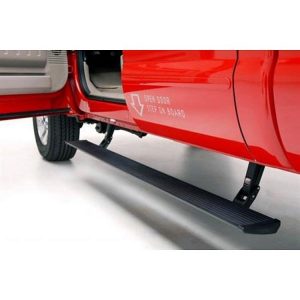
AMP PowerStep Running Boards (Black) – 75104-01A
- Fits 1999–2001 and 2004–2007 Ford F-250 and F-350 Super Duty
- Part number 75104-01A, black finish, cab length
- Integrated LED light system standard
- 600 lb load capacity per side
- Optional stainless-steel trim available
- 5-year/60,000-mile warranty
SKU: AMP75104-01A -
-
Power Running Board
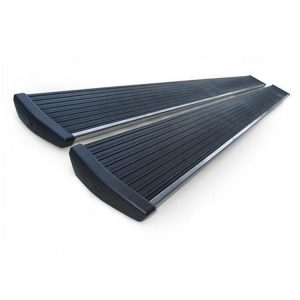
AMP PowerStep Retractable Running Boards (Black) – 76330-01A
- Designed for 2014 to 2016 WK2 Grand Cherokee models; confirm your vehicle’s year, model and trim before ordering
- Sold as a pair, black finish, cab length
- Integrated LED light system
- 600 lb load capacity per side
- 5-year/60,000-mile warranty
SKU: AMP76330-01A -
Power Running Board
AMP PowerStep Running Boards Plug And Play Kit (Black) – 76147-01A
- Fits 2015–2016 Chevrolet Silverado 2500 HD and 3500 HD (LT, LTZ, WT)
- Also fits 2015–2016 GMC Sierra 2500 HD and 3500 HD (Base, SLE, SLT)
- Part number 76147-01A, black finish, cab length
- Integrated LED light system standard
- 600 lb load capacity per side
- Diesel only; modification to the running board assembly required
SKU: AMP76147-01A -
Power Running Board
AMP-Research PowerStep Running Boards – 76120-01A
- AMP Research PowerStep running boards, part number 76120-01A
- Plug N’ Play system with OEM style illumination
- Automatic electric operation tied to the doors
- 600 lb load capacity per side and 5-year/60,000-mile warranty
SKU: AMP76120-01A -
-
-
Power Running Board
AMP PowerStep Running Boards Plug And Play Kit (Black) – 76141-01A
- AMP Research PowerStep Plug and Play kit, black, part number 76141-01A
- Automatic electric running boards tied to the doors
- Integrated LED lighting is standard
- 600 lb per side load capacity and 5-year/60,000-mile warranty
SKU: AMP76141-01A -
Power Running Board
AMP PowerStep Running Boards Plug And Play Conversion Kit (Black) – 76151-01A
- AMP Research PowerStep Plug and Play conversion kit, black, part number 76151-01A
- Electric running boards with integrated LED lighting as standard
- Direct Fit for the cab
- 600 lb load rating per side
SKU: AMP76151-01A -
Power Running Board
AMP PowerStep Running Boards Plug And Play Kit (Black) – 76138-01A
- Pair of automatic electric running boards, cab length
- Integrated LED light system and 600 lb load capacity per side
- Anodized and Teflon finish, stainless steel pivot pins
- 5-year/60,000-mile warranty; confirm fitment before ordering
SKU: AMP76138-01A -
Power Running Board
AMP PowerStep Running Boards Plug And Play Kit (Black) – 76134-01A
- AMP Research PowerStep Plug and Play kit, black, part number 76134-01A
- Automatic electric steps with integrated LED lighting as standard
- Not compatible with 2011 to 2012 applications
- 600 lb load capacity per side
SKU: AMP76134-01A



How power running boards work
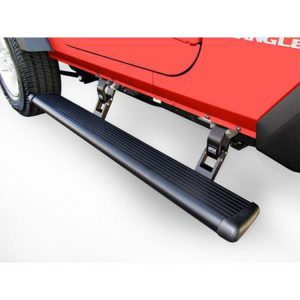
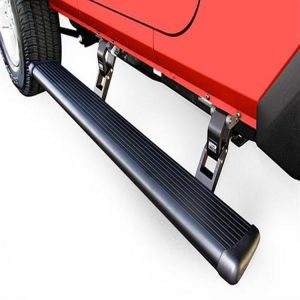
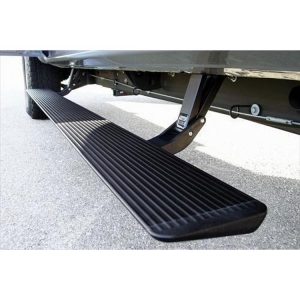
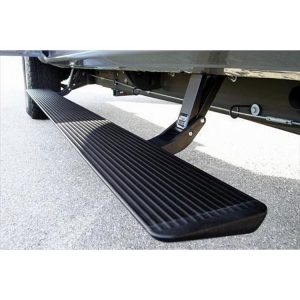
A power running board is a step that folds under the vehicle at rest. When a door is opened, small electric motors swing it out, and when the door closes the step tucks back in. This keeps ground clearance high for trail use while still giving a convenient step for entry. Most systems are controlled by the door signals, and many include LED lights under the board for the ground area.
Kit types
- Complete sets: include both boards, motors, brackets, and wiring, sold as a pair.
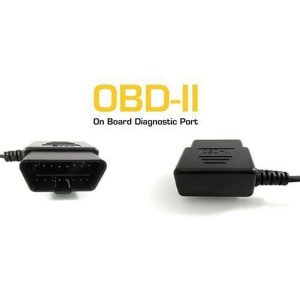
- Plug-and-play kits: use a vehicle-specific harness that connects to the factory wiring, so no splicing is required.
- Conversion kits: add a plug-and-play harness to boards you already own.
- Cab-specific lengths: boards sized to fit crew cab, extended cab, or regular cab trucks.
What to compare
Fitment is the main factor. Power boards bolt to specific mounting points on specific frames or body sections, so a kit for one generation of truck does not fit another. Check the model year range, the cab and bed type, and whether the vehicle has factory options, such as a particular trim or a hybrid drivetrain, that change the mounting area. Compare step width and surface texture for grip, and finish for corrosion resistance. Many manufacturers use anodized aluminum, die-cast parts, and stainless steel pivot pins to hold up to salt and mud.
Installation and use
Installation involves mounting the brackets at the vehicle's frame or body points and connecting the wiring. Plug-and-play versions are easier, while kits without a harness can require tapping into door switch circuits. Take the time to follow the instructions and torque the mounting hardware to specification. Keep the connectors clean, and lubricate any items the manufacturer recommends. If you have a lifted truck, check that the mounting brackets and step height are still suitable.
Because they have moving parts and a motor, power steps need occasional inspection. Dirt, ice, and sand can slow the mechanism, so rinse the area after trail trips. If a step jams, do not force it by hand without disconnecting power. Professional installation is a good choice if you are not comfortable with vehicle wiring. Always confirm fitment for your exact year, make, model, and cab style with the manufacturer's specifications.
Care and common problems
Most complaints come from dirt and wiring rather than the motors themselves. Wash the step area regularly, since packed mud can stop the linkage from folding completely. Check the connectors at the board and at the vehicle harness for green corrosion, and keep the harness routed away from the exhaust and moving parts. If a board stays out or retracts slowly, a weak battery, a blown fuse, or a poor ground is a likelier cause than a failed motor. Also confirm that the door-open signal works properly, since the boards depend on it. Be careful with aftermarket accessories like mud flaps or bed extensions that could block the path of the step as it swings.
If a step is damaged by an impact, have the linkage and brackets inspected before further use, because a bent arm can bind the motor and cause further damage to the mechanism or the mounting points.
Popular Power Running Board brands
Power Running Board FAQ
How do power running boards know when to move?
They are triggered by the vehicle's door signals. Opening a door sends a signal to a control module, which runs the motors to extend the boards, and closing the door retracts them. Plug-and-play harnesses connect to these signals without splicing.
Do power running boards work on lifted trucks?
They can, but fitment is vehicle-specific and a lift changes ground distance and step height. Check the manufacturer's notes about suspension height, and confirm the mounting brackets still reach the frame or body points.
Can I install power running boards myself?
Many owners do, especially with plug-and-play kits that avoid wiring splices. The work involves mounting brackets, lifting the boards, and connecting a harness. If you are not comfortable with the wiring or torque specifications, consider professional installation.
What maintenance do power steps need?
Rinse off mud, sand, and road salt, particularly around pivots and motors, and inspect the wiring connectors for corrosion. Lubricate only if the manufacturer recommends it, and watch for slow or noisy movement as an early warning.