
Bumpers, Tire Carriers & Winch Mounts
Showing 361–372 of 502 resultsSorted by popularity
-
-
Grille Guard
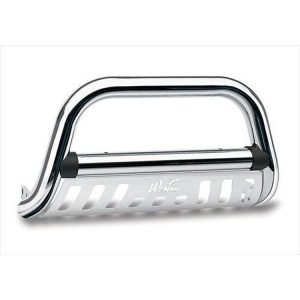
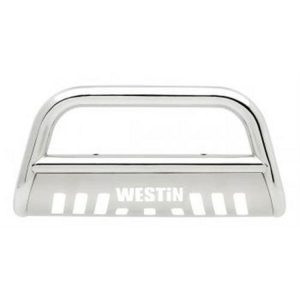
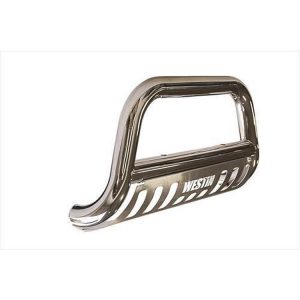
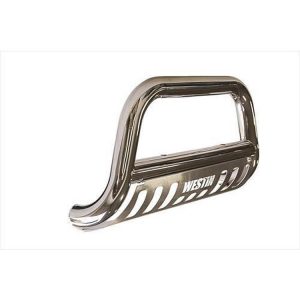
Westin Ultimate Bull Bar – 32-1390
- Chrome plated stainless steel front bull bar for the 2004–2008 Ford F-150 and 2006–2008 Lincoln Mark LT
- Stainless steel skid plate and mount kit included
- Tow hooks must be removed on models that have them
- Cutting of the air dam is needed on models without tow hooks
- three-inch diameter tubing for full-size trucks
SKU: WES32-1390 -
Grille Guard
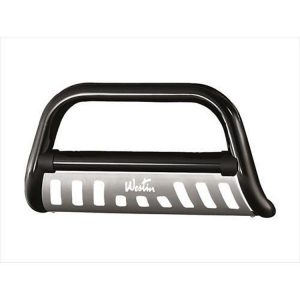
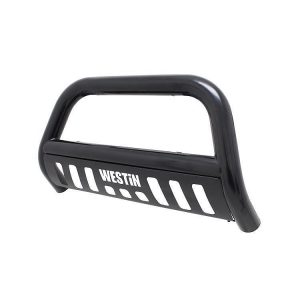
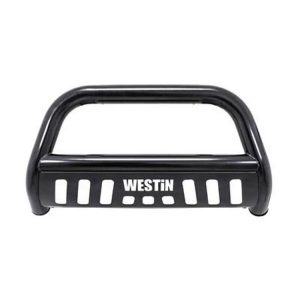
Westin E-Series Bull Bar – 31-5985
- Black powder coated steel front bull bar for the 2014–2015 Chevrolet Silverado 1500 and GMC Sierra 1500
- three-inch diameter steel tubing with a fully welded cross tube
- Removable textured black skid plate
- Two light mounting points on the top of the center bar
- Mount kit included; LED brackets and license plate re-locator sold separately
SKU: WES31-5985 -
Grille Guard
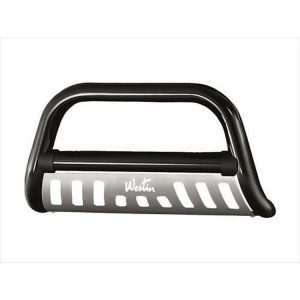
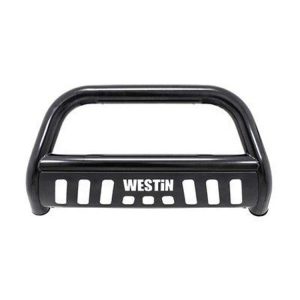
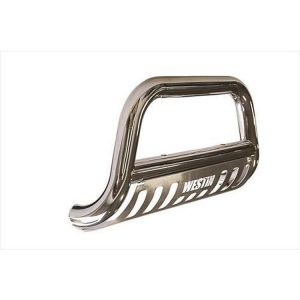
Westin E-Series Bull Bar – 31-5605
- Black powder coated steel front bull bar for the 2005–2015 Toyota Tacoma
- three-inch diameter tubing with a fully welded cross tube
- Removable textured black skid plate
- Two light mounting points on the center bar
- Mount kit included; light brackets sold separately
SKU: WES31-5605

Why replace a factory bumper
Stock bumpers are designed mainly for appearance and low-speed impacts. Aftermarket steel bumpers add stronger mounting points, better approach and departure angles, space for a winch, and places to mount lights and recovery points. A rear bumper often adds a swing-out tire carrier, shackle mounts or a receiver for towing.
Types of bumpers
- Full-width: covers the entire front or rear of the vehicle and gives the most protection and mounting area.
- Mid-width and stubby: trims weight and tucks in the corners to improve clearance and tire room, with less coverage.
- Winch bumpers: include a mounting plate sized for a specific winch class, sometimes with a fairlead opening.
- Guards and hoops: a pre-runner guard, brush guard or grille guard adds a bar or hoop in front of the grille and lights.
Specs worth comparing
Material is usually steel, though some bumpers use aluminum to save weight. Check the finish, such as powder coat, gloss black or textured black, and ask how it holds up to rock chips and salt. Look at whether light mounts, D-ring mounts, a hoop or a stinger are included, and whether the bumper is winch-compatible. Sensor-compatible rear bumpers matter if your vehicle has parking sensors or a backup camera.
Weight is a real consideration. A heavy steel front bumper plus a winch adds significant load to the front axle, so many owners pair it with heavier springs. Also confirm that the bumper keeps the airbag, radar or crash sensor placement your vehicle needs.
Tire carriers and add-on plates
Spare tire carriers move the spare off the factory location, which is often necessary after fitting larger tires. Compare the maximum tire size, whether the carrier bolts to the bumper or the tailgate, and whether it needs extra hardware such as a wire harness extension for a third brake light or camera.
Installation and compatibility
Most direct-fit bumpers bolt to factory locations, but some need trimming, wiring work or removal of factory parts. A bumper is heavy, so use a transmission jack or a helper. Tighten bolts to the manufacturer's torque specifications and recheck them after the first drive. Fitment depends on year, make, model and trim, so confirm it for your exact vehicle and check any state rules on bumper height and lighting.
Planning the whole front or rear end
A bumper rarely goes on alone. Before choosing, think about the winch you plan to mount, the lights you want, and whether the bumper must clear larger tires at full turn. Front bumpers often interact with the factory tow hooks, fog lights, parking sensors and the grille, so check what must be removed or relocated. Rear bumpers interact with the hitch, spare tire, backup sensors, license plate lighting and exhaust tips. Consider your approach and departure angles too, since a bumper that tucks up and in generally helps clearance on steep obstacles, while a full-width design gives more protection in tight woods. Finally, think about weight on the axle, how you will handle the electrical wiring for a winch, and whether you need to adjust the headlight aim after installing the bumper and any other front-end changes.
Popular Bumpers, Tire Carriers & Winch Mounts brands
- Fab Fours (91)
- Go Rhino (54)
- Addictive Desert Designs (47)
- Smittybilt (33)
- ARB 4x4 Accessories (31)
- Ranch Hand (29)
- Westin (28)
- Rugged Ridge (23)
- Crown Automotive (23)
- DV8 Offroad (19)
- Rough Country (17)
- Aries Offroad (14)
Shop Bumpers, Tire Carriers & Winch Mounts by type
- Bumpers (356)
- Brush & Grille Guards (117)
- Spare Tire Carriers & Accessories (29)
Bumpers, Tire Carriers & Winch Mounts FAQ
Will an aftermarket bumper fit my exact vehicle?
Fitment depends on year, make, model, cab and trim, and sometimes on factory options like sensors or fog lights. Read the fitment and part number details on the product page, and confirm them with the manufacturer's specifications before choosing a part.
Can I mount a winch on any bumper?
No. Only bumpers designed as winch-compatible include a properly sized mounting plate. Check the winch bolt pattern and the rated capacity of both the bumper and the winch, and use recovery points rated for the loads involved.
Do steel bumpers affect ride height?
A heavy steel bumper, especially with a winch, adds weight to the front axle and can cause the vehicle to sit lower. Many owners fit stiffer or higher-rated springs to compensate. Check the bumper weight in the specifications.
What is a stinger on a bumper?
A stinger is a tube that extends forward from the center of the bumper, often to hold lights or add protection. Some bumpers include one and others do not, so check the listing details if you want one.