
Brake Parts
Showing 793–804 of 987 resultsSorted by popularity
-
-
-
-
-
-
-
-
Disc Brake Pads
EBC Brakes Greenstuff 2000 Series Sport Brake Pads – DP2001
- EBC Brakes Greenstuff 2000 Series sport brake pads, part number DP2001
- Green powder coat, break-in material and listed caliper compatibility by caliper name
- Includes a Dynalite cotter pin
- Vehicle makes, models and years to be checked before buying
SKU: EBCDP2001 -
-




What is in the brake parts category
The catalog groups brake components by system. Disc brake products include pads, rotors, calipers, caliper brackets, bolts, bushings, anti-rattle clips and hardware kits. Drum brake items include shoes, wheel cylinders, adjusters, springs and complete kits. Parking brake parts cover cables, shoes, levers and equalizers, and there are power brake boosters and disc conversion kits as well.
Pads and rotors
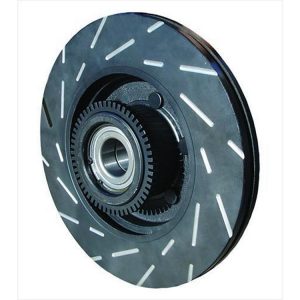
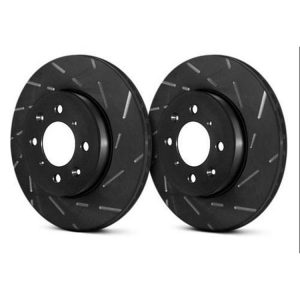
Pad compounds trade off several qualities. Ceramic pads are generally quiet with low dust, semi-metallic and metallic pads tolerate heat and heavy use, and carbon-ceramic blends sit in between. For trucks and towing, kits built for heavy loads use friction material meant for high temperatures. Rotors may be plain, slotted, drilled or both. Slots and holes help clear gas and debris, while a plain rotor often lasts longer on a daily driver. Many shops recommend replacing pads and rotors together, and matched pad-and-rotor kits simplify that.
How to choose
- Use case: daily driving, towing, trail use or a mix.
- Axle position: front and rear parts differ, as do left and right calipers.
- Brake type: know whether your vehicle has front discs and rear drums or discs all around.
- Kit completeness: check whether hardware, calipers, sensors or lubricant are included.
- Vehicle details: year, trim, wheel size and brake package affect fitment.
Installation and safety
Brakes are a critical safety system. Work on a level surface with jack stands, replace parts in axle sets, clean and lubricate slide points with brake-rated lubricant, and torque caliper and wheel fasteners to specification. Never get grease on pad friction surfaces or rotors. After service, bed in the pads as the manufacturer instructs, and test brakes at low speed before driving normally. Bleed the system after opening hydraulic lines. If you are not experienced, have a qualified technician perform the work.
Think about the whole braking system rather than only the parts that wear. Brake fluid absorbs moisture over time and should be replaced on the maker's schedule, flexible hoses crack with age, and a sticking caliper slide or a seized piston can wear pads unevenly. Off-road vehicles that see mud, water crossings and heavy loads put extra demand on every part, so inspect rotors for cracks and deep grooves, and check pad thickness, hardware and parking brake adjustment when the wheels are off.
A larger tire or a heavier vehicle changes braking demands. Bigger tires increase rotating mass and effective leverage, which lengthens stopping distance, and some owners respond with upgraded pads, rotors, calipers or a disc conversion on older drum-equipped models. Any upgrade should be matched to the vehicle's weight, wheel size and master cylinder, since a mismatch can upset brake balance. Parking brake components are included here too, and a properly adjusted parking brake is useful on steep trails and for holding a vehicle on a hill.
Fitment
Brake parts are specific to year, make, model, engine and sometimes build date, so confirm your exact vehicle and the manufacturer's specifications on each product page before choosing a product below.
Popular Brake Parts brands
- Power Stop (562)
- Crown Automotive (136)
- EBC Brakes (105)
- Omix-Ada (104)
- Stainless Steel Brakes (33)
- Jeep (15)
- TeraFlex (14)
- Power Slot (12)
- RT Off-Road (9)
- G2 Axle and Gear (8)
- Trail Gear (5)
- Dorman (5)
Shop Brake Parts by type
- Disc Brake Pads (244)
- Disc Brake Pad and Rotor Kits (222)
- Disc Brake Rotors (200)
- Parking Brake Cable (58)
- Disc Brake Calipers (43)
- Disc Brake Caliper Brackets (36)
- Drum Brake Wheel Cylinder (28)
- Drum Brake Shoe (19)
- Disc Brake Conversion Kits (11)
- Drum Brake Self Adjuster Hardware Kit (15)
- Disc Brake Splash Shield (12)
- Disc Brake Hardware Kit (11)
- Drum Brake Adjusting Lever (11)
- Parking Brake Shoe (9)
- Drum Brake Shoe Return Spring (9)
- Power Brake Booster (4)
- Disc Brake Caliper Bolt (7)
- Parking Brake Lever (6)
- Drum Brake Complete Kit (5)
- Disc Brake Caliper Repair Kit (4)
- Parking Brake Equalizer Bar (5)
- Drum Brake Self Adjuster Cable (4)
- Disc Brake Caliper Piston (4)
- Parking Brake Handle Cover (4)
- Disc Brake Caliper Upgrade (1)
- Drum Brake Shoe And Drum Kit (4)
- Disc Brake Rotor and Hub Assembly (3)
- Disc Brake Anti-Rattle Clip (3)
- Drum Brake Shoe Eccentric (3)
- Third Brake Light Cover (3)
Brake Parts FAQ
Should I replace brake pads and rotors together?
Many technicians recommend it, because new pads bed best against a fresh, flat rotor surface. Rotors that are thick enough and not warped or deeply scored can sometimes be reused, so measure against the minimum thickness stamped on the rotor.
What is the difference between ceramic and semi-metallic pads?
Ceramic pads tend to be quieter and produce less dust. Semi-metallic pads handle higher temperatures and heavy use, which suits towing and aggressive driving, though they can be noisier and wear rotors faster.
Do slotted and drilled rotors work better?
Slots and holes help vent gas and debris from the pad surface and can improve wet-weather bite. Drilled rotors can crack under severe use, so slotted designs are common for trucks. A plain rotor remains a reasonable daily-driver choice.
Do I need to bleed the brakes after changing pads?
Usually not if the hydraulic system stays closed, as with a simple pad swap. Replacing calipers, hoses or lines opens the system and requires bleeding. Follow the vehicle's service procedure and test brakes before driving.