Exhaust Systems, Headers, Pipes and Hardware
Exhaust systems, headers, pipes and hardware for trucks, Jeeps and performance cars. Cat-back systems, mufflers, tips, catalytic converters, clamps and spacers are grouped under the subcategories, with brands including MagnaFlow, Borla, Flowmaster and Dynomax. Compare material, exit location and system type on each listing, then compare the products below.
An exhaust on a 4x4 has to flow well, sound right and stay out of harm's way under a lifted chassis. This section covers complete systems, mufflers, headers and converters, plus the gaskets, clamps, hangers and spacers that keep a system sealed and quiet.
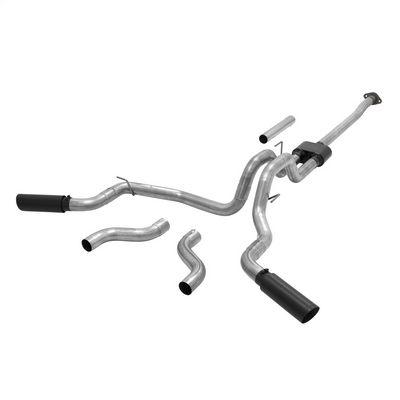
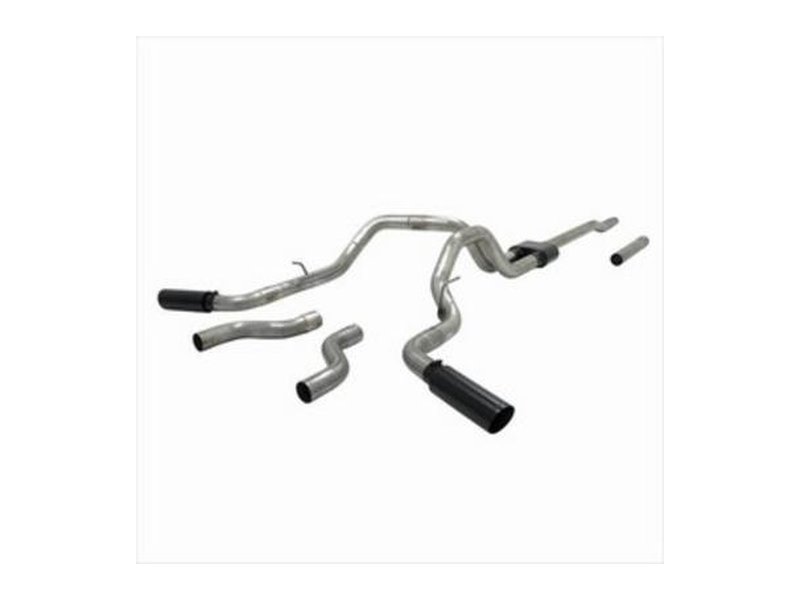
System kits make up about half the listings, from MagnaFlow, Flowmaster, Borla and Corsa. The rest are single pieces: mufflers, tips, resonators, X- and Y-pipes, down pipes and cut-outs. Then come the small parts behind many leaks and rattles once they wear, like header bolts, flange gaskets and rubber hanger insulators. Lifted JK owners will also find spacer kits that move the Y-pipe back for more room up front.
Shop exhaust parts by type
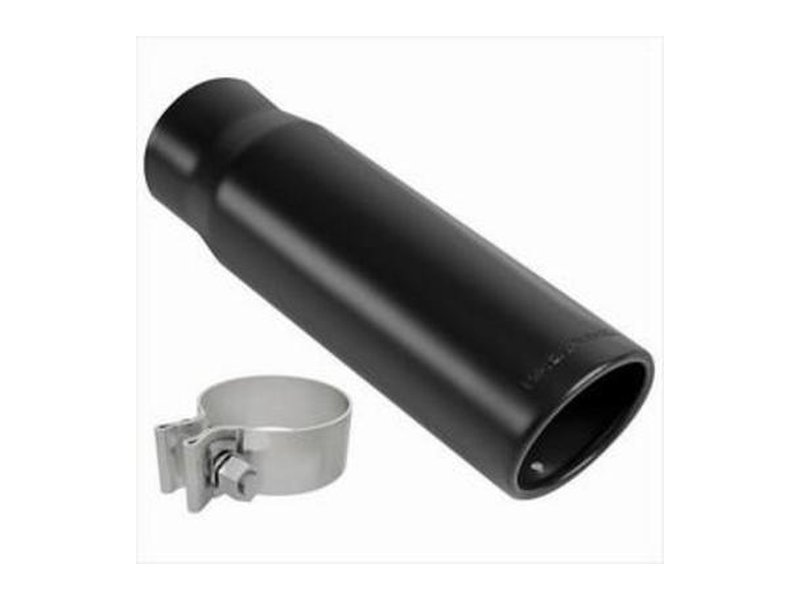
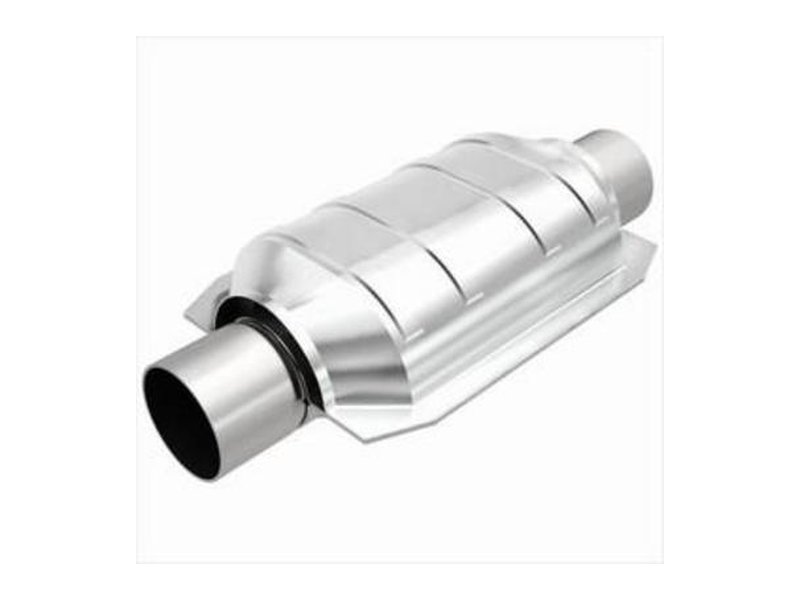
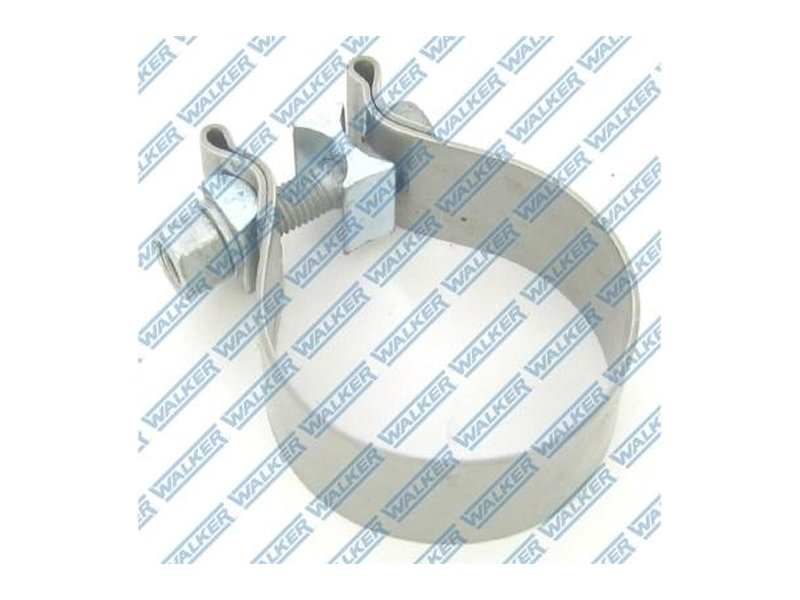
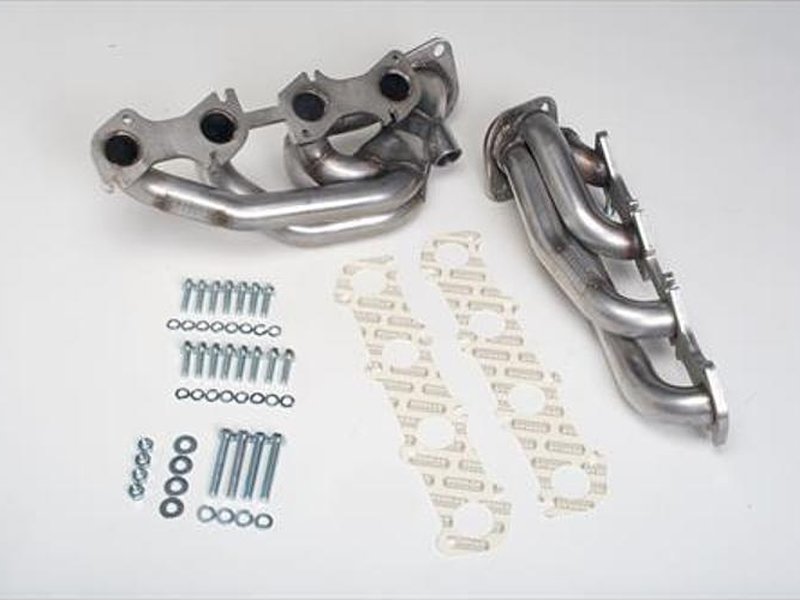
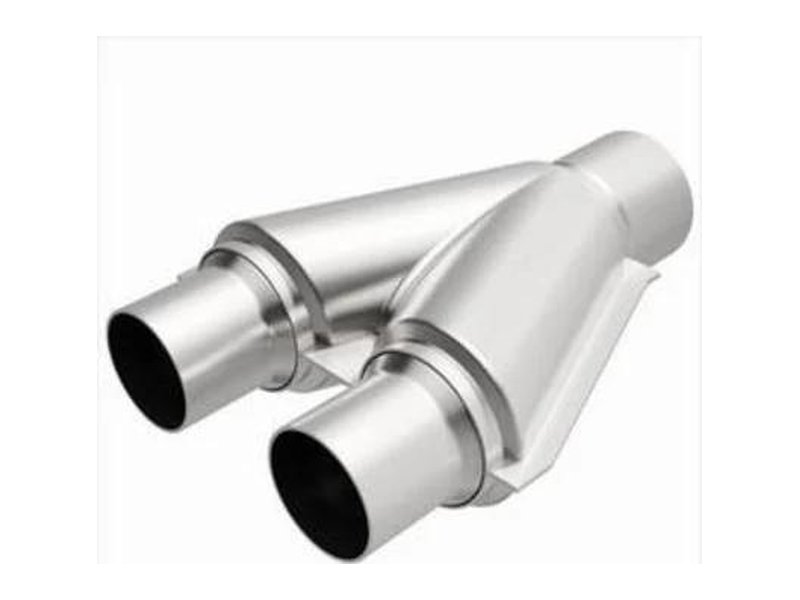
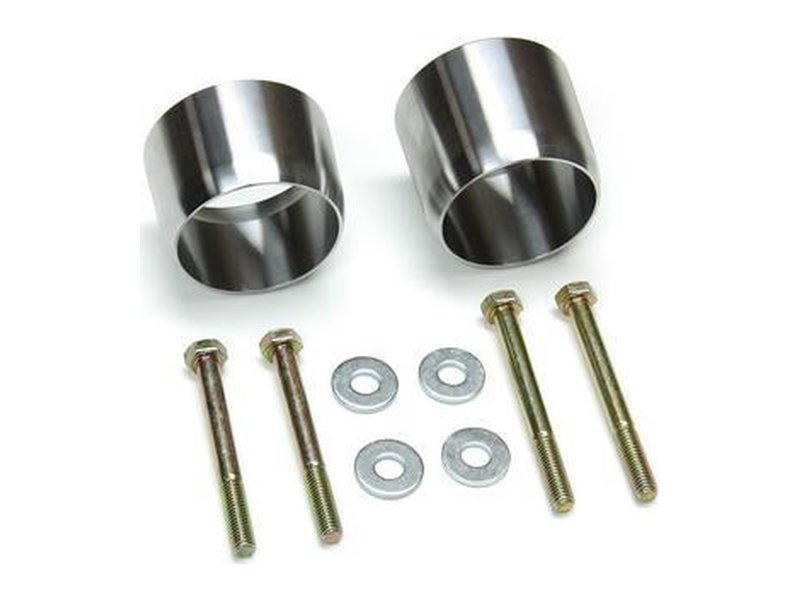
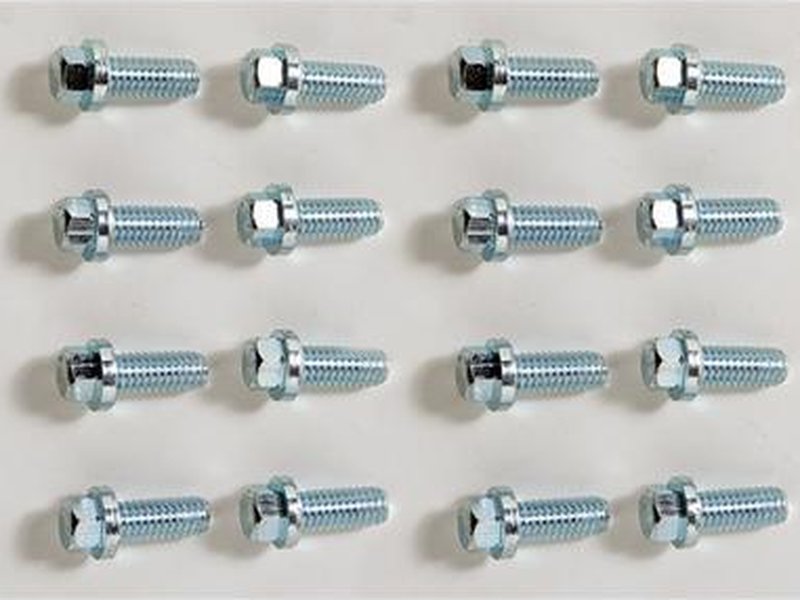
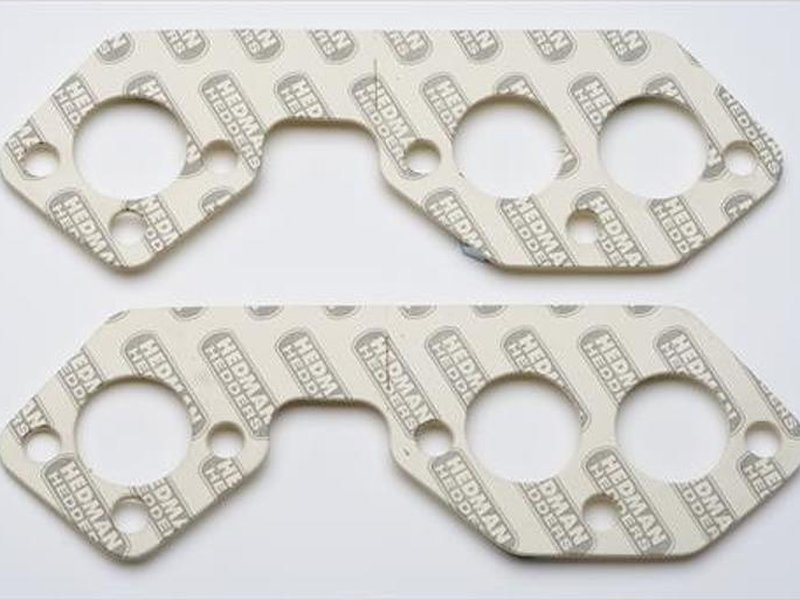
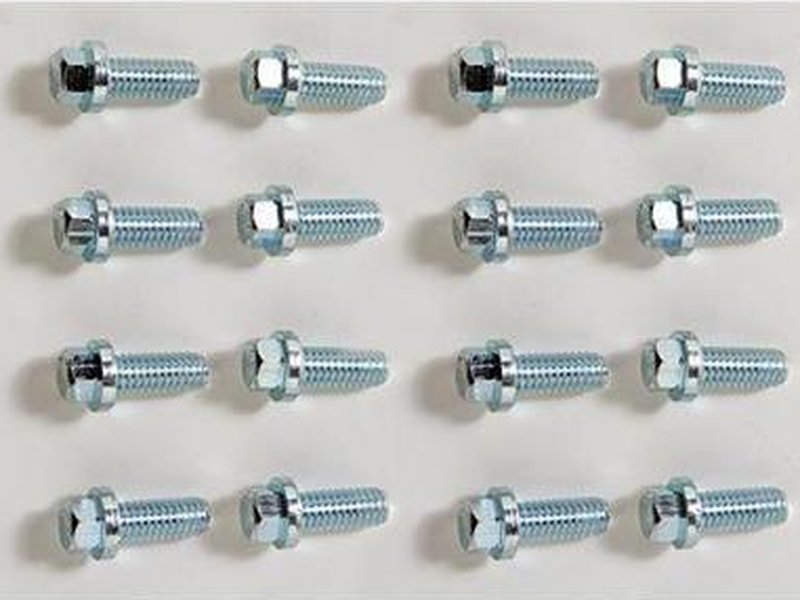
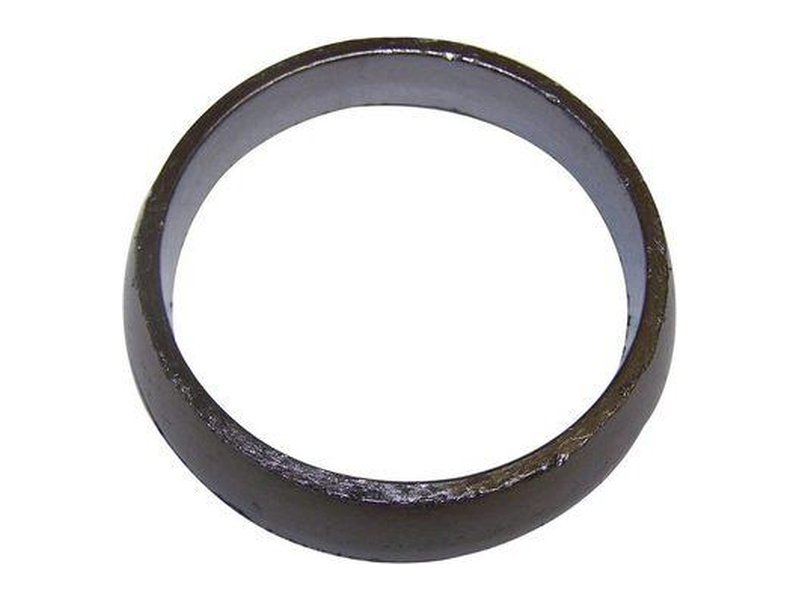
More part types (9)
Popular exhaust parts
-
Exhaust Spacers, Exhaust Systems, Headers, Pipes and Hardware, Performance Parts

Pro Comp Exhaust Spacer Kit – 55746B
 Exhaust Spacers, Exhaust Systems, Headers, Pipes and Hardware, Performance Parts
Pro Comp Exhaust Spacer Kit – 55746B
- Pro Comp exhaust spacer kit for 2012–2018 Jeep Wrangler JK with a 3-inch or more suspension lift
- Driver and passenger side spacers with all necessary hardware
- Fits the 3.6-liter six-cylinder engine
- Part number EXP55746B
SKU: EXP55746B -
Catalytic Converters, Exhaust Systems, Headers, Pipes and Hardware, Performance Parts

MagnaFlow Universal California Catalytic Converter – 3391004
 Catalytic Converters, Exhaust Systems, Headers, Pipes and Hardware, Performance Parts
MagnaFlow Universal California Catalytic Converter – 3391004
- Universal California catalytic converter, part number M/F3391004
- 2 in. inlet and outlet, 11 in. length, 5 in. width
- Not air tube kit adaptable
- Designed for a broad range of 1975–1995 trucks and SUVs
SKU: M/F3391004 -
Catalytic Converters, Exhaust Systems, Headers, Pipes and Hardware, Performance Parts
MagnaFlow Universal California Catalytic Converter – 3391005
 Catalytic Converters, Exhaust Systems, Headers, Pipes and Hardware, Performance Parts
MagnaFlow Universal California Catalytic Converter – 3391005
- Universal California catalytic converter, part number M/F3391005
- 2.25 in. inlet and outlet, 11 in. length, 5 in. width
- Not air tube kit adaptable
- Fits 1975–1995 Chevrolet, Ford, GMC, Jeep and other models
SKU: M/F3391005 -
Catalytic Converters, Exhaust Systems, Headers, Pipes and Hardware, Performance Parts
MagnaFlow Universal California Catalytic Converter – 3391006
 Catalytic Converters, Exhaust Systems, Headers, Pipes and Hardware, Performance Parts
MagnaFlow Universal California Catalytic Converter – 3391006
- Universal California catalytic converter, part number M/F3391006
- 2.5 in. tubing and 2.5 in. inlet and outlet
- 11 in. length, 5 in. width, 11 in. overall length
- Fits 1980–1995 Chevrolet, GMC, Dodge, Jeep, Isuzu and other models
SKU: M/F3391006 -
Exhaust System Kit, Exhaust Systems, Headers, Pipes and Hardware, Performance Parts

Flowmaster Outlaw Series Cat Back Exhaust System – 817726
 Exhaust System Kit, Exhaust Systems, Headers, Pipes and Hardware, Performance Parts
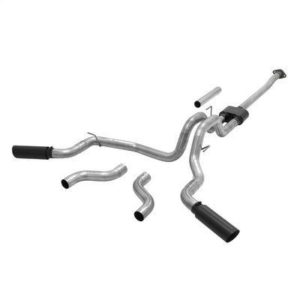
Flowmaster Outlaw Series Cat Back Exhaust System – 817726
- Flowmaster Outlaw Cat-Back exhaust system, part number FLW817726, in 409S stainless steel
- Fits 2015-2019 Ford F-150 King Ranch, Lariat, Limited, Platinum, SSV, XL and XLT trims
- Choice of rear under-bumper or side exits behind the rear tires
- Includes 4.00-inch black ceramic coated stainless steel tips and all necessary hardware
SKU: FLW817726 -
Exhaust System Kit, Exhaust Systems, Headers, Pipes and Hardware, Performance Parts

Corsa Sport Cat-Back Exhaust System – 14917BLK
 Exhaust System Kit, Exhaust Systems, Headers, Pipes and Hardware, Performance Parts
Corsa Sport Cat-Back Exhaust System – 14917BLK
- Corsa Sport cat-back exhaust system, part number COR14917BLK
- Fits 2016–2018 Toyota Tacoma in Limited, SR, SR5, TRD Off-Road, TRD Pro and TRD Sport trims
- 304 stainless steel with a black PVD stainless steel tip
- Patented RSC sound cancellation, which Corsa says removes drone at cruise
- Bolt-on installation with no welding required
SKU: COR14917BLK -
Exhaust System Kit, Exhaust Systems, Headers, Pipes and Hardware, Performance Parts
MagnaFlow MF Series Performance Cat-Back Exhaust System – 19280
 Exhaust System Kit, Exhaust Systems, Headers, Pipes and Hardware, Performance Parts
MagnaFlow MF Series Performance Cat-Back Exhaust System – 19280
- Fits 2016–2019 Ford Explorer Base, Limited and XLT
- MagnaFlow MF Series cat-back exhaust, part number M/F19280
- Direct fit with mandrel bent tubing
SKU: M/F19280 -
Exhaust Headers, Exhaust Systems, Headers, Pipes and Hardware, Performance Parts

JBA Headers Cat4Ward Shorty Headers (Coated) – 1842S-3JT
 Exhaust Headers, Exhaust Systems, Headers, Pipes and Hardware, Performance Parts
JBA Headers Cat4Ward Shorty Headers (Coated) – 1842S-3JT
- JBA coated stainless steel shorty header, part number JBA1842S-3JT
- 1.5 in primary tube diameter, short tube type
- Fits 1996-2001 Chevrolet Blazer and S10, GMC Jimmy and Sonoma
SKU: JBA1842S-3JT
Exhaust materials and hardware
How the common pipe materials and joints differ, and what the hardware in this category is for.
Pipe materials compared
| Corrosion resistance | What to expect | |
|---|---|---|
| Aluminized steel | Fair | Coated mild steel, rusts once coating wears |
| 409 stainless | Good | Common OEM grade, can show surface rust |
| 304 stainless | Best | Keeps its finish longest, polishes well |
| Ceramic-coated headers | Good | Coating also helps keep heat in the pipe |
Lifted Jeep JK exhaust notes
- JK 3.6L spacer kits move the Y-pipe back for front-end clearance
- Rugged Ridge lists its spacer kit for JKs with 2 inches of lift or more
- Pro Comp lists its spacer kit as needed on JKs with 3 or more inches of lift
- Recheck clearance to the driveshaft through full suspension travel
Emissions and sound
- California street use needs a CARB-approved converter with an EO number
- MagnaFlow's California converters are made to meet CARB rules
- Cut-outs, resonator deletes and muffler deletes change sound level
- Noise limits are set by states and cities, so check yours
Clamp and joint types
| Best for | Notes | |
|---|---|---|
| Band clamp | Slip joints | Wraps the joint evenly, reusable |
| U-bolt clamp | Budget repairs | Crimps the pipe, hard to remove later |
| V-band clamp | Flanged joints | Quick release, common at turbo outlets |
| Bolted flange and gasket | Header and pipe joints | Replace the gasket each time |
Hardware in this category
| 3-bolt wire gaskets (JBA) | 3" collector flanges |
|---|---|
| Copper seal gasket set | Header ports that leak |
| Header bolt kits | Replace stretched or rusted bolts |
| O2 sensor header reducer | Adapts an O2 sensor bung |
| Venturi reducer cone | Joins pipes of different sizes |
| Front pipe to manifold seal | Jeep 4.0L engine |
| Front pipe gasket | AMC 304–401 V8 |
| Tailpipe bracket insulator | Rear rubber hanger |
Confirm engine, cab, bed and wheelbase on the product page. Borla, for example, lists a connecting pipe that adapts its 147.4-inch wheelbase system to a 157-inch crew cab.
All Exhaust Systems, Headers, Pipes and Hardware 206 parts
-
Exhaust Spacers, Exhaust Systems, Headers, Pipes and Hardware, Performance Parts

TeraFlex Exhaust Spacer Kit – 2610000
 Exhaust Spacers, Exhaust Systems, Headers, Pipes and Hardware, Performance Parts
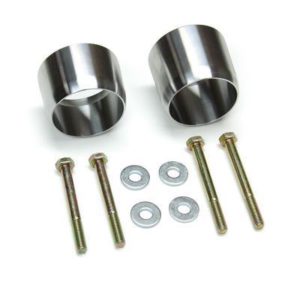
TeraFlex Exhaust Spacer Kit – 2610000
- TeraFlex exhaust spacer kit, part number TER2610000
- For 2012 model Jeep Wrangler JK with TeraFlex suspension kits of 3 or more inches of lift
- Moves the exhaust cross pipe rearward to clear the front driveshaft
- Installs between the head pipe flanges and the cross pipe flanges
- Check the contents and hardware against the package before installing.
SKU: TER2610000 -
Exhaust System Kit, Exhaust Systems, Headers, Pipes and Hardware, Performance Parts

Rugged Ridge Heavy-Duty Off-Road Muffler – 17606.70
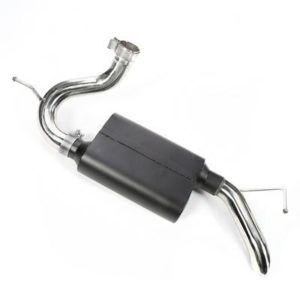 Exhaust System Kit, Exhaust Systems, Headers, Pipes and Hardware, Performance Parts
Rugged Ridge Heavy-Duty Off-Road Muffler – 17606.70
- Heavy-duty off-road muffler with a single rear exit
- Stainless and aluminized steel body with black high temp coating
- Axle-back design, tip not included
- Rugged Ridge part number RUG17606.70
SKU: RUG17606.70 -
Exhaust Spacers, Exhaust Systems, Headers, Pipes and Hardware, Performance Parts
Rugged Ridge Exhaust Spacer Kit – 17606.76
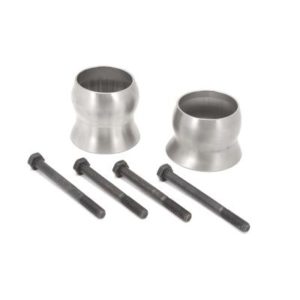 Exhaust Spacers, Exhaust Systems, Headers, Pipes and Hardware, Performance Parts
Rugged Ridge Exhaust Spacer Kit – 17606.76
- Fits 2012–2018 Jeep Wrangler JK (2-door and Unlimited 4-door)
- Moves the Y-pipe back to protect the front driveshaft on lifted Jeeps
- Increases front suspension travel from 2.5 to over 5.5
- Hardware included; part number 17606.76
SKU: RUG17606.76 -
Exhaust Spacers, Exhaust Systems, Headers, Pipes and Hardware, Performance Parts
Pro Comp Exhaust Spacer Kit – 55746B
Exhaust Spacers, Exhaust Systems, Headers, Pipes and Hardware, Performance PartsPro Comp Exhaust Spacer Kit – 55746B
- Pro Comp exhaust spacer kit for 2012–2018 Jeep Wrangler JK with a 3-inch or more suspension lift
- Driver and passenger side spacers with all necessary hardware
- Fits the 3.6-liter six-cylinder engine
- Part number EXP55746B
SKU: EXP55746B -
Exhaust Flange Gasket, Exhaust Systems, Headers, Pipes and Hardware, Performance Parts

Omix-ADA Front Exhaust Pipe Gasket – 17450.03
 Exhaust Flange Gasket, Exhaust Systems, Headers, Pipes and Hardware, Performance Parts
Omix-ADA Front Exhaust Pipe Gasket – 17450.03
- Gasket for the AMC 304-401 V8 engine, sold as gasket only
- Omix-Ada part number OAI17450.03, direct OE replacement
- Fits Jeep CJ, SJ Cherokee, Wagoneer and J-series models, 1971-1991
- Limited five year manufacturer warranty
SKU: OAI17450.03 -
Exhaust Manifold Gasket, Exhaust Systems, Headers, Pipes and Hardware, Performance Parts

Mr. Gasket Company Copper Seal Exhaust Gasket Set – 7158
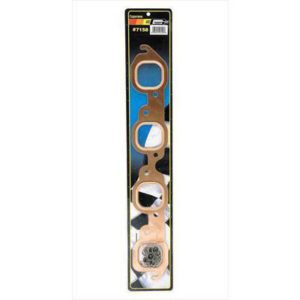 Exhaust Manifold Gasket, Exhaust Systems, Headers, Pipes and Hardware, Performance Parts
Mr. Gasket Company Copper Seal Exhaust Gasket Set – 7158
- Mr. Gasket Copper Seal exhaust gasket set, part number MRG7158
- Fits Chevrolet and GMC trucks from 1972 to 1999
- Contents of the set not itemized
SKU: MRG7158 -
Exhaust System Kit, Exhaust Systems, Headers, Pipes and Hardware, Performance Parts
MBRP Cat-Back Exhaust System Kit – S5227304
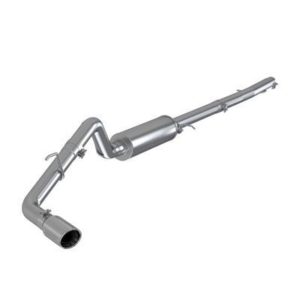 Exhaust System Kit, Exhaust Systems, Headers, Pipes and Hardware, Performance Parts
MBRP Cat-Back Exhaust System Kit – S5227304
- Fits the 2019 Ford Ranger in Lariat, XL and XLT trims as a direct fit
- 3-inch tubing with a single side exit
- T304 stainless steel construction
- Tip included with the kit
SKU: MBRS5227304 -
Exhaust System Kit, Exhaust Systems, Headers, Pipes and Hardware, Performance Parts
MBRP Black Series Performance 2.5″ Cat-Back Exhaust System (Black) – S5342BLK
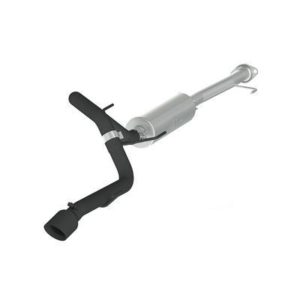 Exhaust System Kit, Exhaust Systems, Headers, Pipes and Hardware, Performance Parts
MBRP Black Series Performance 2.5″ Cat-Back Exhaust System (Black) – S5342BLK
- Fits the 2010–2018 Toyota 4Runner in Limited, SR5, TRD Off-Road, TRD Pro and Trail trims
- Coated steel cat-back with a single side exit
- 2.5 inch tubing with tip included
- MBRP part number MBRS5342BLK
SKU: MBRS5342BLK -
Catalytic Converters, Exhaust Systems, Headers, Pipes and Hardware, Performance Parts
MagnaFlow Universal California Catalytic Converter – 444006
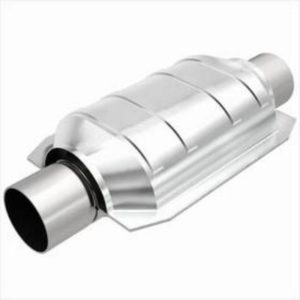 Catalytic Converters, Exhaust Systems, Headers, Pipes and Hardware, Performance Parts
MagnaFlow Universal California Catalytic Converter – 444006
- Universal California catalytic converter, part number M/F444006
- California Approved (50 State) emissions approval
- Ribbed design with funneled inlets and outlets
- Universal Fit, so cutting or welding may be needed
SKU: M/F444006 -
Catalytic Converters, Exhaust Systems, Headers, Pipes and Hardware, Performance Parts
MagnaFlow Universal California Catalytic Converter – 418005
 Catalytic Converters, Exhaust Systems, Headers, Pipes and Hardware, Performance Parts
MagnaFlow Universal California Catalytic Converter – 418005
- Universal California catalytic converter, part number M/F418005
- Marked Universal Fit, with no vehicle list published
- Ribbed design with funneled inlets and outlets
- Stainless steel body, heat shield and monolithic honeycomb catalyst
SKU: M/F418005

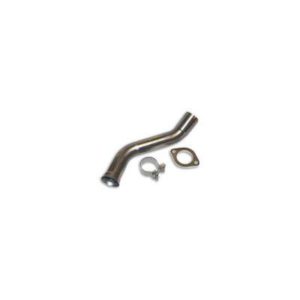

Exhaust system types
The exhaust carries gases from the cylinder head to the tailpipe, and each segment is sold separately or as a kit. Knowing which segment you are replacing keeps the search short.
- Headers replace the restrictive factory manifold with individual tubes per cylinder.
- Cat-back systems replace everything from the catalytic converter rearward: pipe, muffler and tips.
- Axle-back systems replace only the muffler section and change sound the most for the least work.
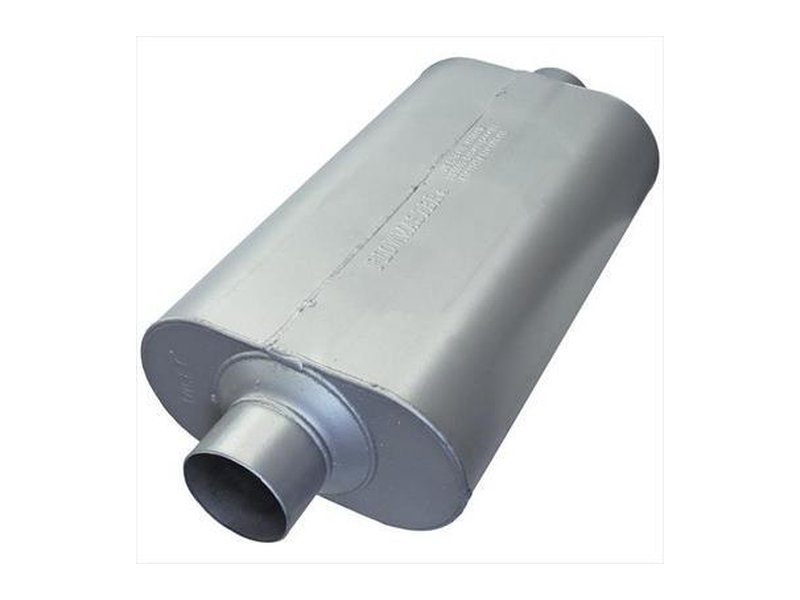
- Mufflers, resonators and tips can be swapped individually to tune tone or appearance.
Material and construction
Aluminized steel is the economical choice and resists rust in dry climates. Stainless steel, often 304 grade, resists corrosion better and lasts longer where roads are salted. Mandrel-bent tubing keeps a consistent diameter through bends, which helps flow compared with crush-bent pipe. Check the material field on the product listing, as the sample listings do.
Sound and performance expectations
Exhaust upgrades change tone more reliably than power. Any gains are generally modest on an otherwise stock engine and are strongest when paired with other intake or tuning changes. Muffler design affects loudness and drone at highway speed, so read descriptions for the intended sound level. Single-side or dual-rear exits also change fit and appearance.
Emissions and legal points
Catalytic converters are emissions equipment. Federal rules prohibit removing or defeating them, and some states, including those that follow California standards, require specific approved parts or an executive order number. Noise limits also vary by state and city. Check the product details and your local regulations before choosing.
Installation notes
- Confirm engine, cab and bed configuration, wheelbase and model year, since routing differs.
- Replace gaskets, clamps and hangers when you replace pipe.
- Allow clearance from the fuel tank, brake lines and body panels, and let the system cool before handling.
- Penetrating oil on old fasteners saves time, and a professional exhaust shop can handle welding or cutting.
Use clamps only where intended and tighten to the instructions' specification. After installing, check for leaks at each joint with the engine running.
Pairing parts and avoiding mistakes
Pipe diameter should suit the engine's output. Too small a pipe restricts flow, while a much larger one can reduce exhaust velocity and low-end response. Most trucks work well with the diameter the manufacturer of a cat-back system specifies for that engine, so stick to vehicle-specific kits unless you are building a custom system.
- Hangers and isolators should keep the system a few inches from the frame and body. Rubber hangers that sag can let pipes rattle.
- Clamps come as band, U-bolt and V-band styles. Band clamps seal better on slip joints than U-bolt types, which can crush the pipe.
- Spacers and adapters help when joining pipes of different diameters or aligning flanges, but check that the gasket surface is flat.
- Oxygen sensors must be reinstalled in their original bungs, and wiring should be kept away from the hot pipe.
Inspect the system for cracks, loose hangers and blown gaskets once a year. A ticking noise on cold start often points to a leak at the manifold or a flange gasket.
Popular Exhaust Systems, Headers, Pipes and Hardware brands
- MagnaFlow Exhaust (62)
- Flowmaster Exhaust (43)
- Borla (42)
- Dynomax Exhaust (16)
- Corsa Performance Exhaust (8)
- Go Rhino (8)
- Hedman (7)
- Banks Power (3)
- MBRP (3)
- JBA Headers (3)
- Mr. Gasket Company (2)
- Crown Automotive (2)
Exhaust Systems, Headers, Pipes and Hardware FAQ
What is the difference between cat-back and axle-back?
A cat-back system replaces the pipes, muffler and tips behind the catalytic converter. An axle-back replaces only the section behind the rear axle, usually the muffler and tips. Cat-backs affect flow and sound more, while axle-backs are simpler.
Will a new exhaust add horsepower?
Some systems give small gains, especially on engines where the factory exhaust is restrictive, but results vary. Expect the tone to change more than the power. Dyno claims should be treated carefully unless they match your vehicle.
Is stainless steel exhaust worth it?
Stainless resists rust and corrosion better than aluminized steel, so it tends to last longer, especially in areas that salt roads. Aluminized steel works well in dry climates and often costs less.
Are aftermarket exhausts legal?
It depends. Mufflers and pipes may face noise limits, and catalytic converters must meet emissions rules, with stricter requirements in some states. Check state and local regulations and the manufacturer's compliance information before choosing.