Portable fridges, coolers and related camping gear for overlanding and trail trips. The category includes ARB fridge-freezers, transit bags, remote monitors and slides, plus insulated coolers and canvas soft coolers from AO Coolers and Yeti Coolers. Product pages list capacity and color so you can compare sizes for the trip you have in mind, then compare the products below.
Fridges
Showing 1–12 of 45 resultsSorted by popularity
-
Fridges
Yeti Coolers Roadie 20 Cooler (Desert Tan) – YR20T
- Yeti Coolers Roadie 20 personal cooler, part number YR20T, Desert Tan
- Universal Fit, a portable cooler not tied to a specific vehicle
- One-piece construction with ice-retaining insulation
- Heavy-duty stainless steel handle and self-stopping hinges
- UPC 14394530180
SKU: Y/CYR20T -
Fridges
Tundra Seat Cushion – CT45MAX4
- YETI Tundra Seat Cushion, part number CT45MAX4
- At least 2 inches of dense foam (3 inches for Tundra 125, 160 and 250)
- UV marine vinyl cover with GORE TENARA stitching
- Stainless steel studs for attaching to the cooler lid
- Universal fit for all YETI Tundra models
SKU: Y/CCT45MAX4 -
-
Fridges
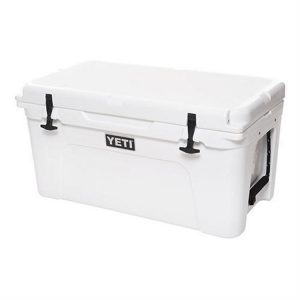
Yeti Coolers Tundra 65 Cooler (Desert Tan) – YT65T
- Yeti Tundra 65 cooler in Desert Tan, part number YT65T
- Recommended capacity of 39 cans
- 2 meaty inches of insulation and a cold-keeping gasket
- Marine-grade nylon rope handles with textured grips
- Universal fit, not vehicle-specific
SKU: Y/CYT65T -
Fridges
Vertically Driven Products Cooler and Storage Tube (Black) – 5078110
- Vertically Driven Products Cooler and Storage Tube, part number 5078110
- Fits any tube or bar up to 4.5 inches in diameter
- Heavy-duty neoprene body that floats
- Black; holds cans, plastic juice or water bottles
SKU: VDP5078110 -
Fridges
Smittybilt Freezer/Fridge Transit Bag (Black) – 2789-99
- Smittybilt freezer and fridge transit bag in black, part number 2789-99, UPC 631410127669
- Fully insulated, waterproof Oxford 420D fabric
- Protects the Smittybilt Arctic fridge from dents and scratches
- An optional accessory for the Arctic fridge
SKU: S/B2789-99







Fridge or cooler
A powered portable fridge-freezer holds a steady temperature from a vehicle's 12-volt supply, so food does not sit in meltwater and you do not need to buy ice each day. A traditional cooler has no power draw and no moving parts, and works with ice or ice packs. The better choice depends on trip length, vehicle setup and budget.
Sizing by quarts and pack counts
Portable fridges are rated in quarts, such as 37, 50 or 63 quarts. As a rough guide, a smaller unit suits a couple on a weekend, and a larger unit suits a family or a longer trip. Coolers are often listed by how many cans they hold, such as 12, 24 or 36 pack. Measure your cargo area, since a fridge needs space for airflow, and consider the weight when full.
Power and operation
- 12-volt compressor fridges: run from the vehicle's accessory socket or a hardwired circuit, and many have a low-voltage cutoff to protect the battery.
- Dual battery systems: help run a fridge for extended periods without draining the starting battery.
- Remote monitors: let you check the interior temperature without opening the lid.
Always check the power requirements and the cutoff setting for your electrical system.
Accessories
Transit bags protect a fridge from dust, sun and scrapes. Slides let you pull the fridge out of the cargo area, which makes loading easier and keeps your back happier. Seat cushions, dividers and covers for some coolers help with organizing and comfort. Check that the accessory matches the exact size and model of the fridge or cooler.
Use and care
Pre-chill the fridge before packing and fill empty space to reduce temperature swings. Keep ventilation openings clear, secure the unit so it cannot slide in a hard stop or rollover, and keep it out of direct sun. Clean the interior and leave the lid slightly open during storage to prevent odors. Always check the specifications and dimensions before choosing a model.
Food safety and packing tips
Whatever you choose, safe food handling matters on trips. Keep refrigerated food at or below roughly 40 degrees Fahrenheit, and keep raw meat separated from ready-to-eat food in sealed containers. A pre-chilled fridge or cooler holds temperature far longer, so cool the unit and the food before departure. Pack items in the order you will need them, with drinks that get opened often on top or in a separate bag. Frozen water bottles act as ice and then become drinking water as they melt. In hot weather, keep the unit in the shade, ideally in the cabin rather than an open truck bed. Use a thermometer to verify temperature, and clean spills quickly, since moisture and food residue cause odors and attract wildlife at camp.
A common mistake is leaving a powered fridge running from the starting battery with the engine off for long periods. Another is blocking the ventilation, which makes the compressor run constantly. Leave space around the unit and secure it with tie-downs rated for its weight, since a loose fridge becomes a hazard in a hard stop.
Popular Fridges brands
- AO Coolers (18)
- ARB 4x4 Accessories (17)
- Yeti Coolers (12)
- Smittybilt (1)
- Vertically Driven Products (1)
Fridges FAQ
How big a portable fridge do I need?
It depends on the number of people and the length of the trip. Smaller units around 35 to 50 quarts suit couples and weekends, while larger sizes suit families or longer outings. Measure the space in your vehicle before deciding.
Will a portable fridge drain my car battery?
It can if it runs for long periods with the engine off. Many fridges include a low-voltage cutoff, and a dual battery setup is a common solution. Check the power draw in the specifications and your battery capacity.
What is the difference between a fridge and a cooler?
A fridge uses a compressor and power to hold a set temperature. A cooler uses insulation and ice. Coolers need no power but require ice, while fridges can freeze or chill without it.
Do I need a transit bag?
A transit bag is optional, but it helps protect a fridge from dust, scratches and sun, and some add insulation. Check that the bag is made for the specific fridge size, as dimensions vary between models.